
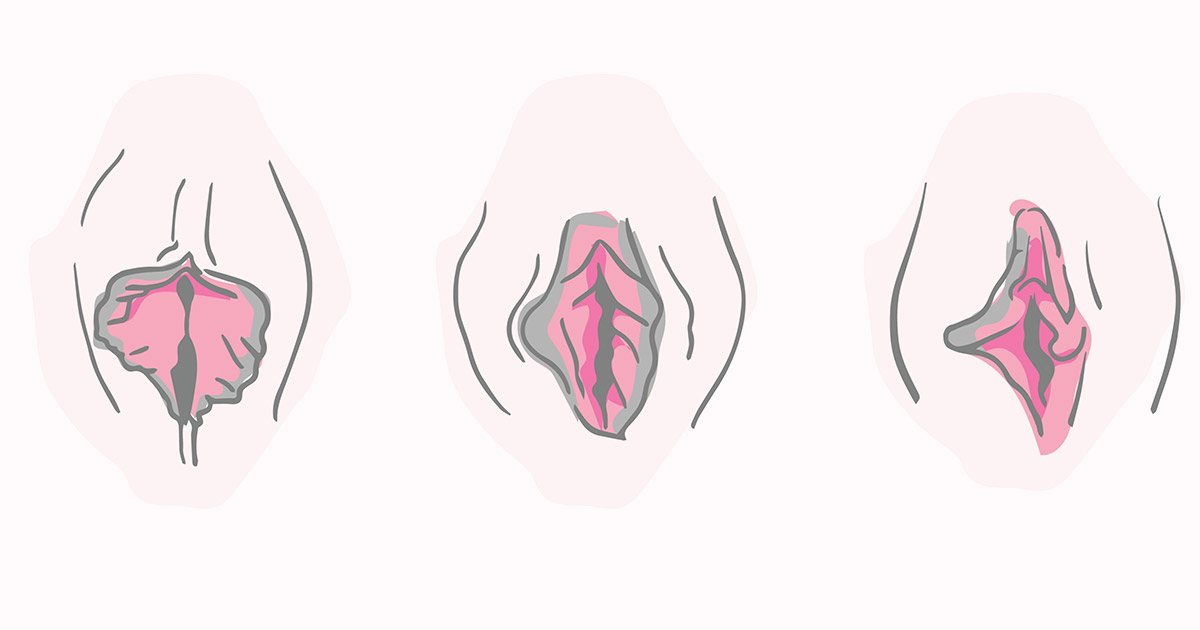
Many women searching for answers about intimate health begin with a simple but important question: What is labia hypertrophy? This condition refers to a variation in the size or shape of the labia, most commonly involving the inner lips of the vulva. While it is often a normal anatomical variation, it can sometimes cause physical discomfort or emotional concerns.
Understanding what labia hypertrophy is is essential for separating medical facts from myths. This guide explores symptoms, underlying causes, and when treatment may be appropriate, using a medically informed yet accessible approach.
What Is Labia Hypertrophy?
Understanding the Condition
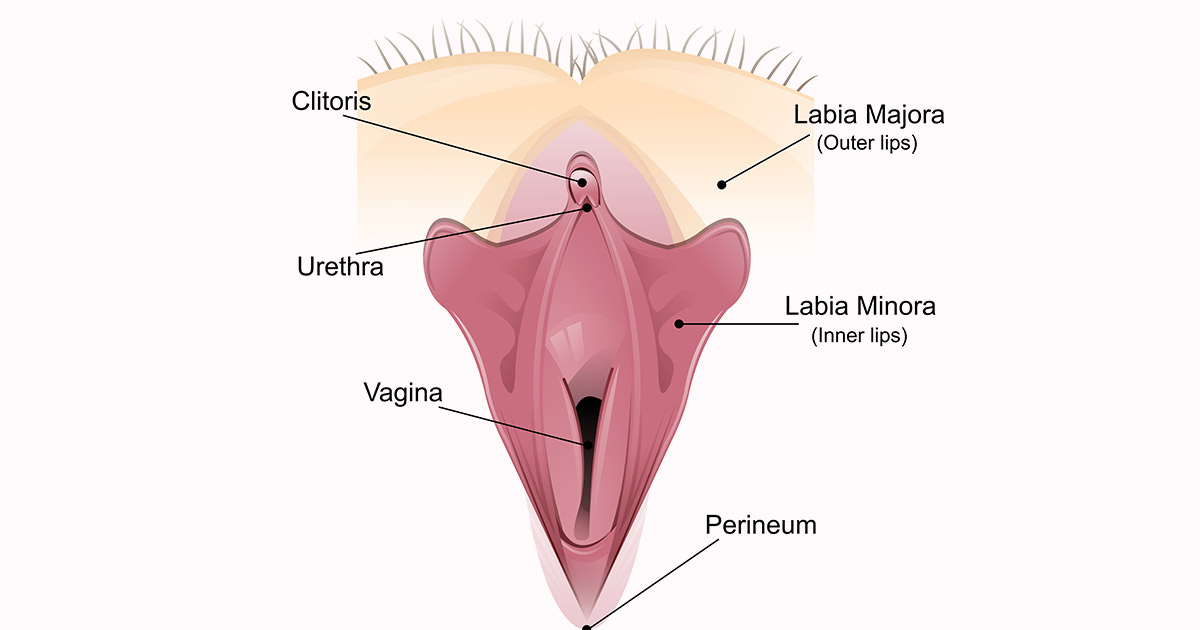
At its core, labia hypertrophy refers to the enlargement or elongation of the labial tissue, particularly the labia minora. The term hypertrophy of the labia is descriptive rather than diagnostic. It does not imply disease but rather a structural variation.
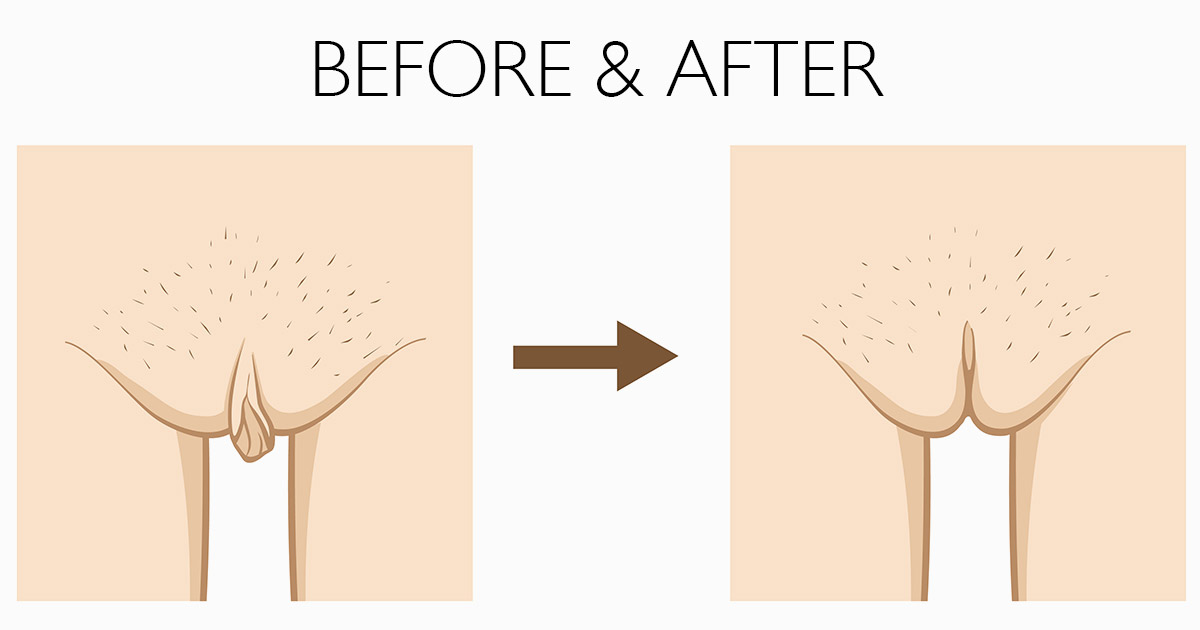
In most cases, hypertrophy of the labia minora is the primary presentation. The inner labia may extend beyond the outer labia, sometimes asymmetrically. This variation can range from mild to more pronounced forms, including oversized labia minora hypertrophy.
What Does It Look Like?
Patients often ask what labia minora hypertrophy looks like. Clinically, it may include:
- Labial tissue extending beyond the labia majora
- Visible asymmetry, such as labia minora hypertrophy on one side
- Differences in thickness, pigmentation, or contour
In many cases, women notice that one side of the labia is bigger than the other, which is a common and typically normal finding.
How Common Is Labia Hypertrophy?
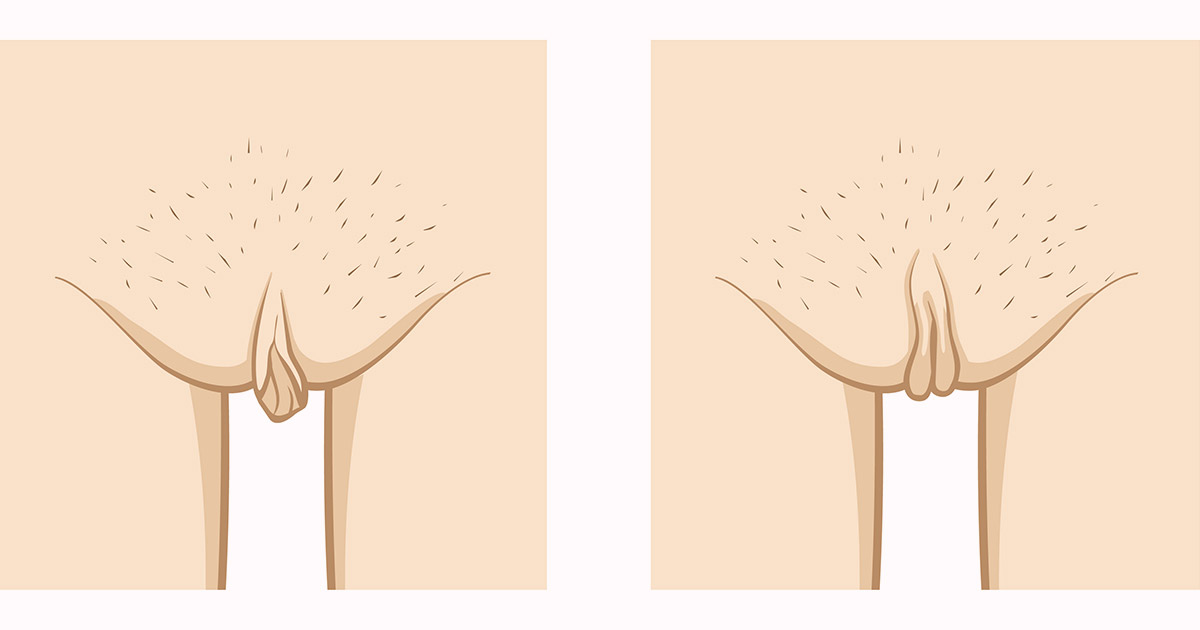
A frequently overlooked question is how common labia hypertrophy is. Medical literature suggests that variations in labial size are extremely common, though underreported due to social stigma and lack of open discussion1.
The prevalence of inner labia hypertrophy varies widely because there is no strict clinical threshold for what is considered “normal.” Studies indicate that a significant percentage of women have some degree of hypertrophy of the labia, but only a smaller subset experiences symptoms2.
Understanding how common labia hypertrophy is helps normalize the condition and reduce unnecessary anxiety.
Labia Hypertrophy Symptoms

Physical Symptoms
While many women remain asymptomatic, others experience notable labia hypertrophy symptoms, including:
- Friction or chafing during movement
- Discomfort with tight clothing, such as leggings or underwear
- Pain during physical activities like cycling or running
- Irritation during sexual intercourse
These symptoms are more frequently reported in cases of oversized labia minora hypertrophy, where excess tissue is more prone to mechanical irritation.
Functional Concerns
Functional issues can also arise, particularly in moderate to severe cases of hypertrophy of the labia minora:
- Difficulty inserting tampons
- Hygiene challenges due to skin folds
- Increased moisture retention
There is also a clinical association between labia hypertrophy and UTI, as excess tissue may create a microenvironment that promotes bacterial growth in some individuals3.
Psychological Impact
Beyond physical discomfort, patients may experience:
- Self-consciousness about appearance
- Reduced confidence in intimate settings
- Anxiety related to body image
Understanding what labia hypertrophy is includes recognizing its psychological dimensions, which are equally important in patient care.
What Causes Labia Hypertrophy?

Genetic Factors
The most common explanation for what causes labia hypertrophy is genetics. Many individuals naturally develop larger or asymmetrical labia without any external influence. In fact, labia minora hypertrophy causes are most often linked to inherited anatomical traits rather than lifestyle factors.
Hormonal Influences
Hormonal changes play a significant role in the hypertrophy of the labia:
- Puberty can trigger rapid tissue development
- Pregnancy may lead to vascular and structural changes
- Menopause can alter tissue elasticity
These hormonal shifts help explain what causes labia hypertrophy across different life stages.
Mechanical and Environmental Factors
Repeated friction or pressure may contribute to inner labia hypertrophy in some individuals:
- Cycling or horseback riding
- Wearing tight clothing
- Chronic irritation
Although these factors may influence tissue adaptation, they are not primary causes in most cases of hypertrophy of the labia minora.
Inflammation and Aging
Chronic inflammation or aging-related tissue changes can also be considered among the causes of labia minora hypertrophy. Over time, collagen and elastin changes may affect the appearance and structure of the labia.
Importantly, it is essential to clarify that current medical evidence does not support the idea that sexual activity causes hypertrophy of the labia, despite this being a common misconception.
When Does Labia Hypertrophy Require Treatment?

Understanding what labia hypertrophy is also involves identifying when it becomes clinically relevant. Most cases do not require intervention. However, treatment may be considered if:
- Persistent labia hypertrophy symptoms interfere with daily life
- There is recurrent irritation or infection
- The patient experiences significant emotional distress
In such cases, consultation with a specialist is recommended to evaluate both physical and psychological factors.
Diagnosis and Clinical Evaluation
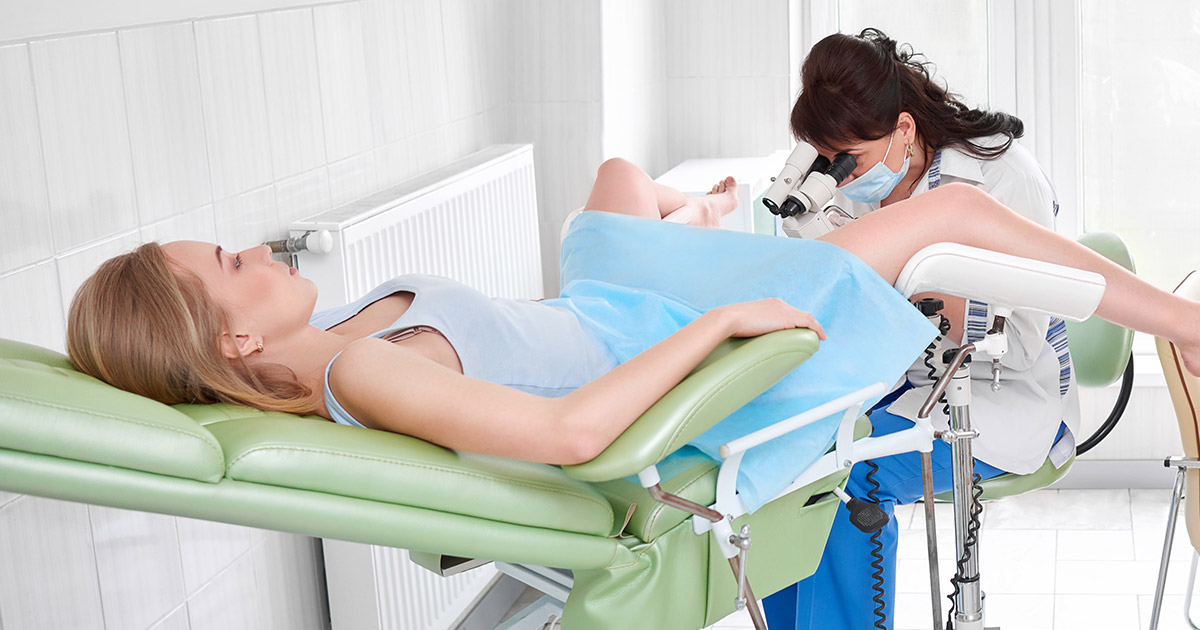
Diagnosis of hypertrophy of the labia minora is typically straightforward and involves:
- A physical examination
- Review of symptoms
- Patient concerns and expectations
There is no standardized measurement that defines abnormal enlargement. Instead, diagnosis is individualized, based on functional impact rather than appearance alone.
Treatment Options for Labia Hypertrophy

Non-Surgical Management
For mild cases, conservative approaches may help manage labia hypertrophy symptoms:
- Wearing loose, breathable clothing
- Using gentle hygiene products
- Avoiding activities that cause irritation
These strategies are often sufficient for individuals with minimal discomfort.
Surgical Treatment
For more significant cases, labia minora hypertrophy surgery may be considered. This procedure, commonly known as labiaplasty, involves reshaping or reducing excess labial tissue.
Patients also often inquire about labia minora hypertrophy surgery cost, which can vary based on factors such as surgeon expertise, geographic location, and procedural complexity.
Benefits of Surgery
Clinically, labia minora hypertrophy surgery may provide:
- Relief from physical discomfort
- Improved hygiene
- Enhanced confidence
In some cases, it may be performed alongside other vaginal rejuvenation procedures, depending on patient goals and anatomical considerations.
Asymmetry and Individual Variation

A common presentation of hypertrophy of the labia is asymmetry. Many patients have labia minora hypertrophy on one side, which is normal and does not typically require treatment unless it causes symptoms or patient concern.
This variation reinforces the importance of understanding what labia hypertrophy is as a spectrum rather than a single condition. Each patient’s anatomy is unique, and treatment decisions should reflect individual needs rather than aesthetic standards.
Addressing Common Concerns

Is labia hypertrophy dangerous?
In most cases, hypertrophy of the labia minora is not medically dangerous and does not pose serious health risks. It is considered a normal anatomical variation. However, it may become clinically significant if it leads to persistent irritation, hygiene issues, infections, or discomfort affecting daily activities or quality of life.
Can it resolve on its own?
Inner labia hypertrophy typically does not resolve or shrink on its own once fully developed. The tissue structure remains stable over time. While symptoms such as irritation may improve with lifestyle adjustments, the physical appearance generally does not change without medical or surgical intervention.
Does it affect sexual function?
Hypertrophy of the labia does not inherently affect sexual function for most individuals. However, in some cases, excess tissue may cause discomfort, sensitivity, or friction during intercourse. Many women experience normal, satisfying sexual health, while others may seek treatment to improve comfort and confidence.
Moving Forward With Confidence and Clarity
Understanding what labia hypertrophy is empowers individuals to make informed decisions about their bodies. Whether the condition is purely anatomical or associated with symptoms, the key is recognizing that variation is normal and treatment is optional.
For those experiencing persistent discomfort or emotional concerns, seeking expert guidance can provide clarity and personalized solutions. Modern approaches, including labia minora hypertrophy surgery, offer safe and effective options when needed.
Ultimately, addressing what labia hypertrophy is is not about conforming to a standard, but about improving comfort, confidence, and overall quality of life through informed, patient-centered care.
Personalized Care for Comfort, Confidence, and Results
At our Labiaplasty NYC clinic, we specialize in advanced labiaplasty and a full range of vaginal rejuvenation procedures designed to enhance both comfort and confidence. Our approach is highly individualized, combining surgical expertise with a deep understanding of female anatomy and patient goals.
Whether you are experiencing discomfort or seeking aesthetic improvement, our team provides discreet consultations and tailored treatment plans. Contact us today to explore safe, effective solutions that prioritize your well-being and long-term satisfaction.
References
- Moegni F, Hidayah GN, Ksyatria YNI, Kouwagam AD, Mardhiyah T. Seeing beyond the aesthetic problem of labia minora hypertrophy: a case report. Int J Surg Case Rep. 2026 Feb 20;138(3):369-372. doi: 10.1097/RC9.0000000000000098. PMID: 41837095; PMCID: PMC12981792.
- Bhat D, Tevlin R, Lipman K, Canales F, Furnas H. Labial Length and Patient Symptomatology: Is There a Correlation? Aesthet Surg J Open Forum. 2024 Jun 11;6:ojae039. doi: 10.1093/asjof/ojae039. PMID: 38863893; PMCID: PMC11164564.
- Ayd?n A, At?lgan AE, Sönmez MG, Sönmez L, Bo?a MS, Balasar M. Do variations in labial anatomy have an effect on recurrent urinary tract infection? Int Urogynecol J. 2020 Oct;31(10):2129-2136. doi: 10.1007/s00192-020-04310-8. Epub 2020 May 9. PMID: 32388633.