
Pregnancy causes profound hormonal, vascular, and structural changes throughout the body, including the external genital tissues. It is common for women to notice swelling, asymmetry, or increased sensitivity of the labia during this time. As a result, many patients ask a direct and important question: can you get labiaplasty while pregnant? From a medical standpoint, elective cosmetic procedures require careful timing.
This article explains the science, safety considerations, and long term planning factors behind can you get labiaplasty while pregnant, while also addressing how pregnancy influences decisions about labiaplasty before pregnancy, labiaplasty after pregnancy, and labiaplasty before or after childbirth.
Understanding Labiaplasty and Why Women Consider It
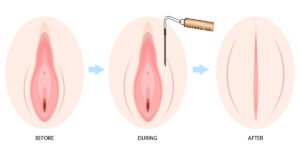
Labiaplasty is a surgical procedure that reshapes or reduces the labia minora. It may be performed using trim or wedge techniques, depending on patient anatomy and goals. While often categorized as cosmetic surgery, labiaplasty frequently addresses functional concerns.
Common reasons include irritation during exercise, discomfort with tight clothing, hygiene challenges, and pain during intercourse. Patients often discuss why someone would get a labiaplasty in terms of both physical relief and restored confidence.
Before proceeding, timing relative to pregnancy becomes critical. This is when the question arises: can you get labiaplasty while pregnant?
The Short Medical Answer: Can You Get Labiaplasty While Pregnant?
The medically responsible answer to getting a labiaplasty while pregnant is no. It is common for patients to report that one side of the labia is bigger than the other, either naturally or after pregnancy. Asymmetry alone is not abnormal, but when enlargement causes physical or emotional distress, surgical correction may be considered.
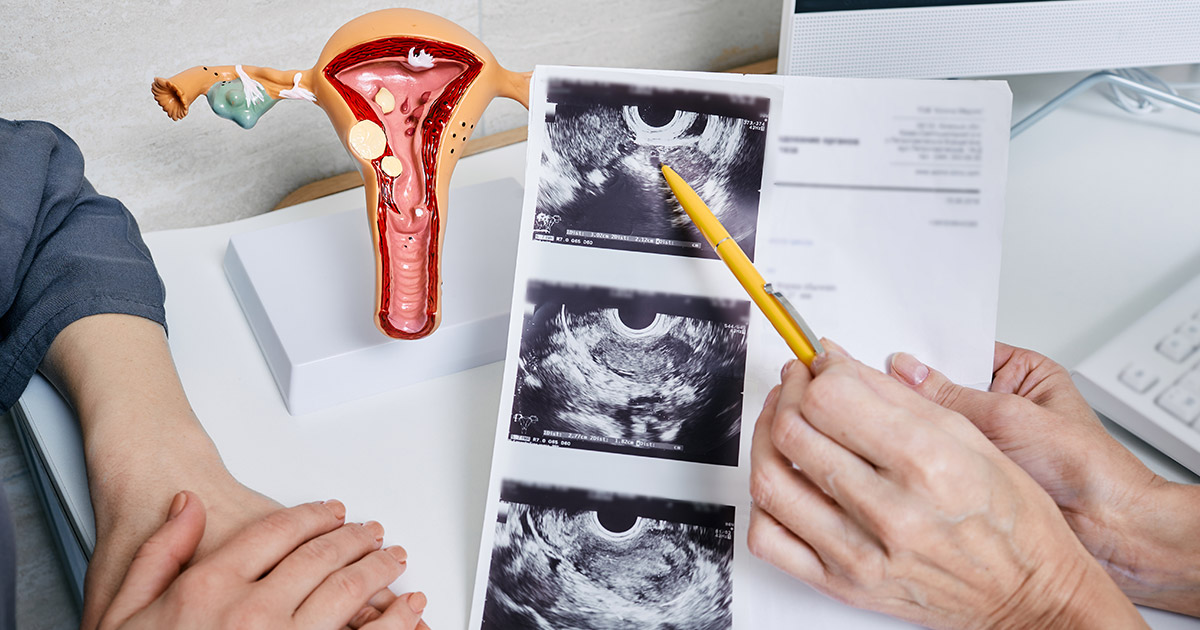
While labiaplasty is considered an elective procedure, major medical organizations advise postponing non-essential surgeries during pregnancy to protect both maternal and fetal health1.
When patients ask if you can get labiaplasty while pregnant, it is usually due to new swelling or discomfort that developed during gestation. However, performing labiaplasty during pregnancy introduces unnecessary risk.
Even procedures performed under local anesthesia are typically deferred. The physiological changes of pregnancy alter the risk of bleeding, tissue response, and healing capacity. For these reasons, experienced surgeons may not perform elective cosmetic labiaplasty during pregnancy.
Why Labiaplasty During Pregnancy Is Not Recommended

Increased Blood Flow and Bleeding Risk
Pregnancy significantly increases pelvic blood circulation2. This vascular expansion supports the uterus but also makes elective genital surgery riskier. Performing labiaplasty during pregnancy could lead to excessive bleeding and unpredictable tissue response.
Hormonal Swelling and Edema
Estrogen and progesterone levels rise dramatically during pregnancy, often causing temporary labial swelling. This makes it difficult to assess true baseline anatomy. If a patient were to pursue labiaplasty during pregnancy, surgical planning could be inaccurate because the tissue may shrink postpartum.
Anesthesia Considerations
Although modern anesthetics are relatively safe, elective exposure during pregnancy is avoided unless medically necessary. This reinforces why the answer to getting labiaplasty while pregnant remains no.
Healing Variables
Pregnancy alters immune response and collagen remodeling3. These changes can affect wound healing and scar formation, further supporting the recommendation against labiaplasty during pregnancy.
Pregnancy Related Labial Changes: Temporary or Permanent?
Many women experience enlargement, darkening, and asymmetry of the labia during pregnancy. In some cases, these changes resolve within several months postpartum. In others, stretching remains.
Because swelling may be temporary, surgeons advise waiting before deciding on labiaplasty before or after pregnancy. Making surgical decisions based on pregnancy-related edema can result in overcorrection.
This is another reason the question can you get labiaplasty while pregnant should be approached cautiously. Immediate surgery does not account for the body’s natural postpartum recovery process.
Planning Around Childbearing: Before or After?
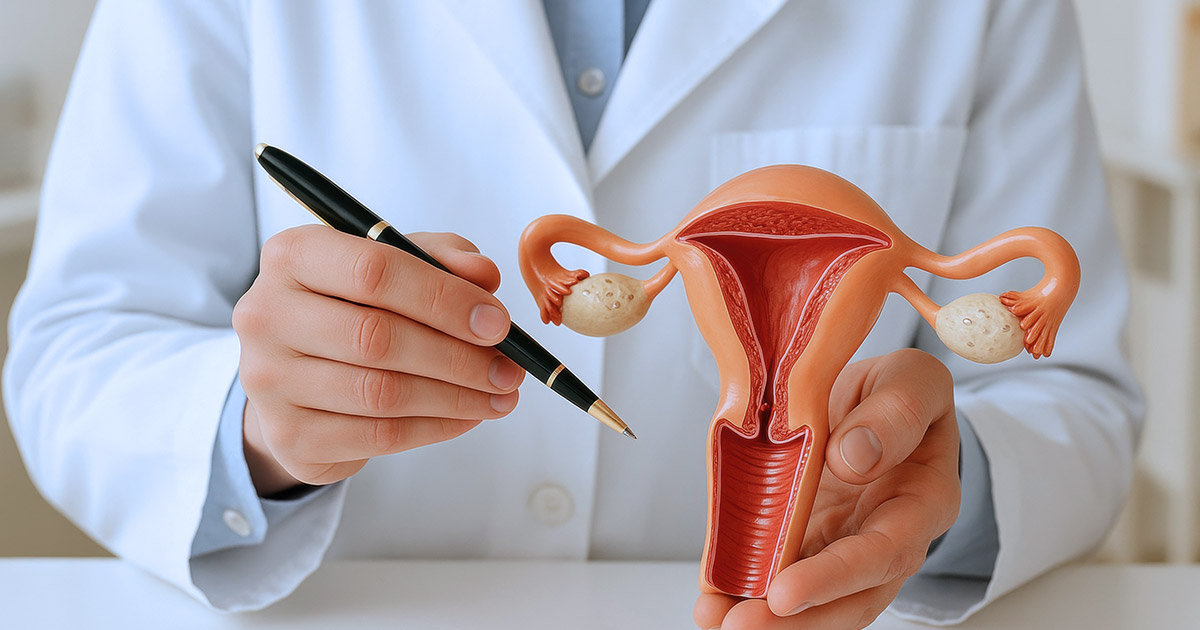
Labiaplasty Before Pregnancy
Some women consider labiaplasty before pregnancy or even labiaplasty before childbirth to correct long-standing concerns. In most cases, pregnancy after labiaplasty is safe. The procedure does not involve internal reproductive organs.
However, vaginal delivery may stretch the labial tissue again. This is why discussions about labiaplasty before or after pregnancy should include future family planning goals.
Patients sometimes ask whether labiaplasty before childbirth affects delivery. In most cases, it does not prevent vaginal birth, but the tissue may change afterward.
Labiaplasty After Pregnancy
For most women, surgeons recommend labiaplasty after pregnancy once the tissues stabilize. Specifically, labiaplasty after childbirth is typically considered after three to six months, once:
- Swelling has resolved
- Hormonal levels have stabilized, particularly after breastfeeding has concluded
- Breastfeeding is complete
- Weight is stable
Choosing labiaplasty after pregnancy allows surgeons to operate on stable anatomy, improving precision and long-term results.
When weighing labiaplasty before or after childbirth, many specialists advise waiting until childbearing is complete to reduce the chance of revision surgery.
Labiaplasty Before or After Childbirth: What Experts Consider

The decision about whether to undergo labiaplasty before or after childbirth is individualized. Factors include:
- Severity of symptoms
- Degree of enlargement
- Planned pregnancies
- Delivery method expectations
If a patient plans multiple future pregnancies, postponing surgery may be reasonable. If discomfort is significant and childbearing is complete, labiaplasty after childbirth is typically the safer and more predictable option.
In contrast, performing labiaplasty during pregnancy is not considered appropriate under standard medical guidelines.
Frequently Asked Questions
Does labiaplasty affect pregnancy?
When patients ask if labiaplasty affects pregnancy, the answer is generally no. Labiaplasty reshapes external tissue and does not interfere with fertility or the uterus. Women who undergo labiaplasty before pregnancy can typically conceive and carry pregnancies without complication. However, pregnancy may alter cosmetic results, which is why timing discussions about labiaplasty before or after pregnancy is important.
Can you get labiaplasty after childbirth?
Yes. Labiaplasty after childbirth is typically appropriate once adequate healing has occurred. Labiaplasty after childbirth is common and often performed to address persistent enlargement or asymmetry that developed during pregnancy. Most surgeons recommend waiting at least three to six months. During consultation, planning for labiaplasty after pregnancy includes evaluating tissue elasticity and ensuring that postpartum recovery is complete.
Does labiaplasty affect childbirth?
Regarding the effect of labiaplasty on childbirth, it is important to clarify that properly performed labiaplasty does not block vaginal delivery. Women who undergo labiaplasty before childbirth can usually deliver vaginally. However, childbirth may cause the labia to stretch again. This is one reason why some patients postpone labiaplasty decisions until they have completed their families.
Making an Informed Decision About Labiaplasty Timing
The repeated question of if you can get labiaplasty while pregnant reflects understandable concerns about comfort and body image. However, medical evidence supports postponing elective surgery during pregnancy.
Key principles include:
- Labiaplasty during pregnancy is not recommended due to bleeding, healing, and anesthesia risks
- Temporary swelling during pregnancy may resolve naturally
- Labiaplasty after pregnancy offers safer and more predictable results
- Decisions about labiaplasty before pregnancy or labiaplasty before childbirth should include a discussion of future pregnancies
- Careful evaluation helps determine whether labiaplasty before or after pregnancy is appropriate for each patient
A Medically Guided Approach to Safe Timing
For patients asking whether they can get labiaplasty while pregnant, the safest course is to wait. Pregnancy is a temporary physiological state. Elective surgery can be performed later under more stable and controlled conditions. Whether considering labiaplasty before pregnancy, evaluating labiaplasty after childbirth, or deciding on labiaplasty before or after childbirth, individualized consultation with a specialist ensures optimal outcomes.

Choosing the right time protects both maternal health and surgical results. By prioritizing safety, realistic expectations, and anatomical stability, patients can pursue labiaplasty with confidence and clarity once pregnancy and postpartum recovery are complete.
At Labiaplasty NYC, our advanced vaginal rejuvenation clinic, we combine surgical precision, refined aesthetic judgment, and evidence-based safety standards to deliver cutting edge labiaplasty procedures. Whether you are planning for the future or exploring options postpartum, our specialists provide expert guidance tailored to you. Contact us today to schedule a confidential consultation.
References
- Haggerty E, Daly J. Anaesthesia and non-obstetric surgery in pregnancy. BJA Educ. 2021 Feb;21(2):42-43. doi: 10.1016/j.bjae.2020.11.002. Epub 2021 Jan 8. PMID: 33889428; PMCID: PMC7810818.
- Moore LG, Wesolowski SR, Lorca RA, Murray AJ, Julian CG. Why is human uterine artery blood flow during pregnancy so high? Am J Physiol Regul Integr Comp Physiol. 2022 Nov 1;323(5):R694-R699. doi: 10.1152/ajpregu.00167.2022. Epub 2022 Sep 12. PMID: 36094446; PMCID: PMC9602899.
- Shi JW, Lai ZZ, Yang HL, Yang SL, Wang CJ, Ao D, Ruan LY, Shen HH, Zhou WJ, Mei J, Fu Q, Li MQ. Collagen at the maternal-fetal interface in human pregnancy. Int J Biol Sci. 2020 May 25;16(12):2220-2234. doi: 10.7150/ijbs.45586. PMID: 32549767; PMCID: PMC7294936.