
Labiaplasty is a commonly performed cosmetic gynecological operation, and while the surgery itself is somewhat straightforward, labiaplasty recovery stitches tend to raise more questions than the procedure itself.1 One of the most commonly asked questions is “When will my stitches dissolve?” Closely followed by, “Is my healing normal?”
Labiaplasty dissolvable stitches, also known as absorbable sutures, are the preferred choice for most labiaplasty surgeries. Using absorbable sutures allows the stitched area to remain secured during the critical healing period, minimizes discomfort associated with the “scratchiness” of some non-absorbable sutures like nylon and eliminates the need for an unnecessary suture removal procedure afterwards.[2-5]
Absorbable stitches are designed to provide support while the tissues heal. They gradually lose their strength, and they do not all dissolve at the same rate. The time differences depend on the type of suture used, the surgical technique, and variations in individual natural healing processes.[4-7]
Knowing what to expect can make recovery significantly less worrisome, especially since most questions people search for come down to two things: “how long do labiaplasty stitches take to dissolve?”, and what counts as normal along the way. This article explores how dissolvable stitches work, how long they typically take to dissolve, what the healing process looks like week by week, common symptoms that are considered normal, and the warning signs that should make you contact your surgeon.
When Do Labiaplasty Stitches Dissolve? Typical Timeline
A lot of patients ask when labiaplasty stitches fall out, assuming it happens as soon as the incision heals, but that’s not quite how it works, since wound healing and suture absorption are two separate biological processes. The incision may appear closed on the surface while the underlying tissues are still undergoing collagen remodeling, and absorbable sutures often remain long after they have stopped providing meaningful wound support.[4-7]

The time required for labiaplasty stitches healing depends largely on the type of suture used, though individual healing responses also affect timelines, and these variations are usually normal rather than a sign of delayed healing. In fact, experienced cosmetic gynecologists are generally more concerned with how well the incision is healing than with whether every stitch has disappeared. The following timeline reflects what is commonly observed after an uncomplicated labiaplasty.[4-7]
Days 1-7: Stitches Remain Firm
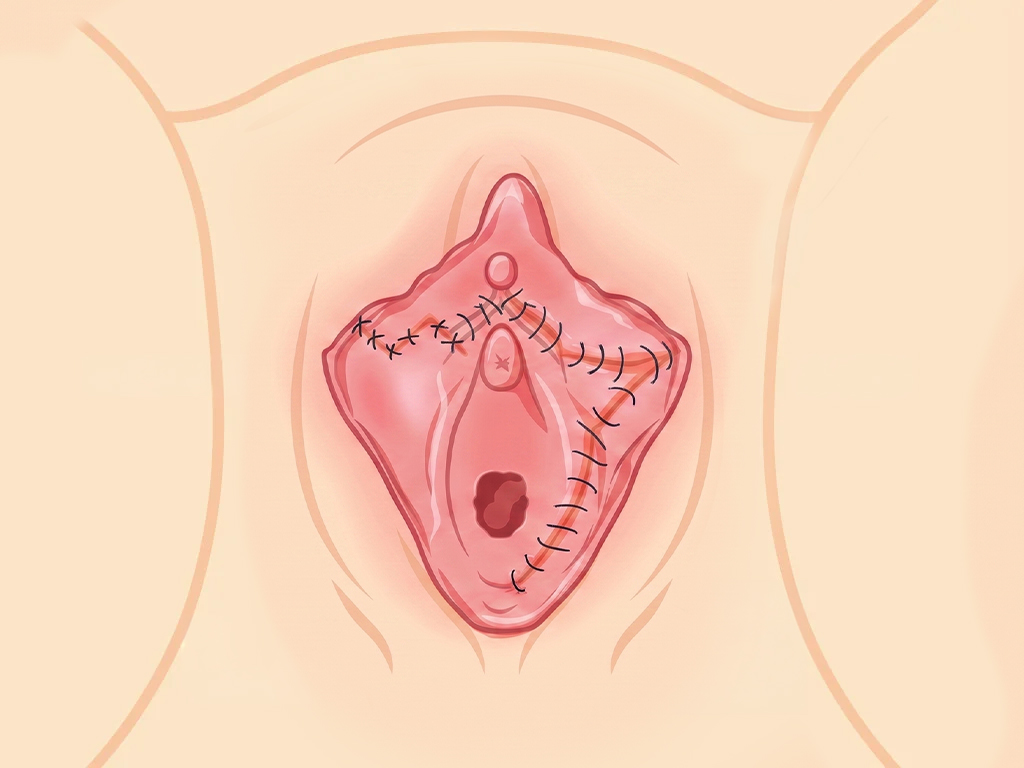
During the first week of recovery, labiaplasty recovery stitches provide maximum wound support while the inflammatory phase of healing is underway.[6,7] At this stage, patients commonly experience:
- Moderate swelling
- Bruising
- Mild bleeding or spotting
- Tenderness
- Tightness around the incision
The stitches remain firmly anchored because they are responsible for maintaining precise approximation of the wound edges while epithelialization begins.[6,7]
Weeks 2-3: Sutures Begin Losing Strength

As healing progresses into the proliferative phase, new collagen is deposited, and the wound gradually becomes more stable.[6,7]
Depending on the material used, the sutures begin losing tensile strength during this period. Patients may notice:
- Knots becoming looser
- Small ends of the suture becoming more visible
- Labiaplasty stitches itching around the incision
- Tiny pieces of stitch material separating from the wound
These changes usually indicate that the sutures are beginning to break down rather than that the incision is opening.[5-7]
Weeks 4-6: Most Fast-Absorbing Sutures Are Gone
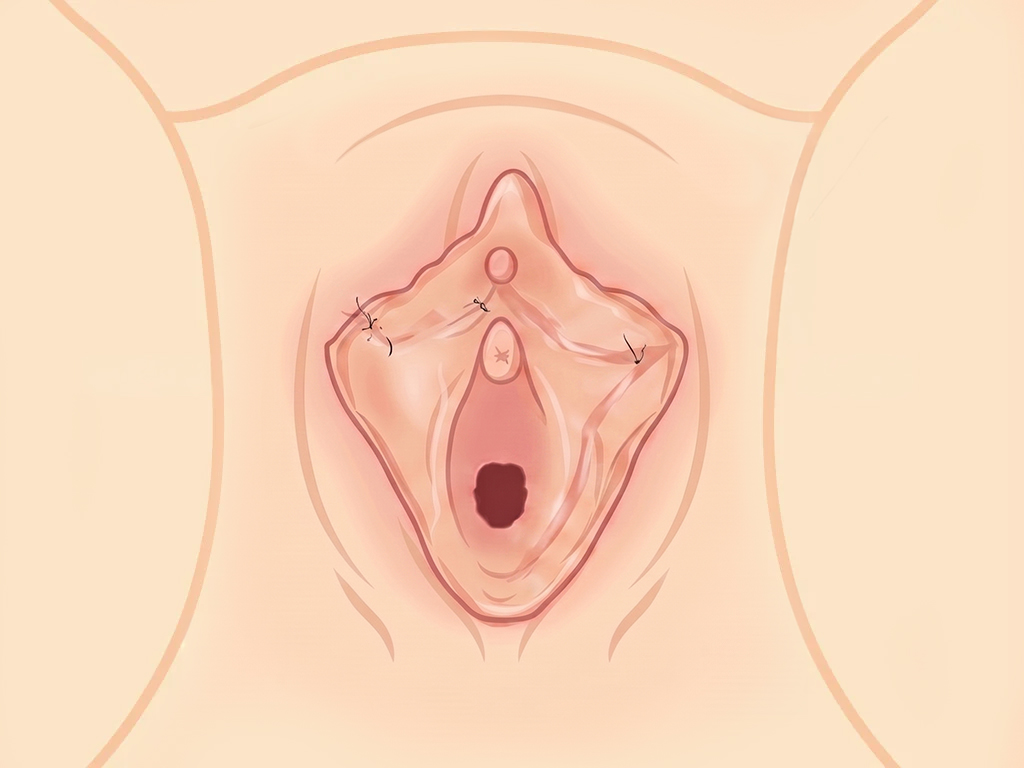
By one month after surgery, many patients have little remaining discomfort. If fast-absorbing sutures such as Vicryl Rapide were used, much of the visible suture material has usually disappeared by this stage.[5] Standard Vicryl and Monocryl, however, frequently remain partially visible.[5] Some patients notice:
- One or two remaining knots
- Small white threads protruding from the incision
- Slight firmness beneath the scar
These findings rarely require intervention, but labiaplasty stitches hurting too much, developing redness, discharge, or wound separation are reasons to check in with your surgeon.
Six to Twelve Weeks
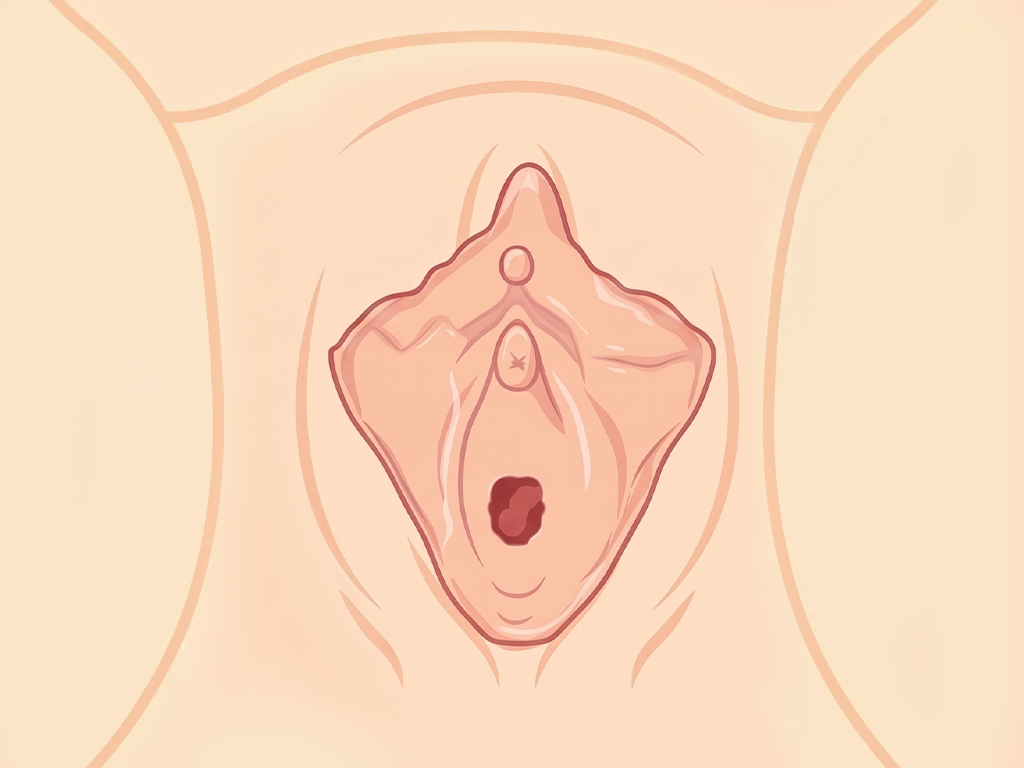
During this period, most remaining sutures continue to fragment and dissolve. Some patients report a stitch “appearing” several weeks after surgery, which is one of the more common reasons people search for ‘labiaplasty stitches not dissolving as fast as expected’. This usually occurs because the body gradually pushes a small piece of absorbable material toward the surface as absorption continues.[4,5]
Provided there is no infection, surgeons often recommend simply leaving these sutures alone. Pulling or cutting them without medical advice may disrupt tissues that are still remodeling.
Three to Six Months
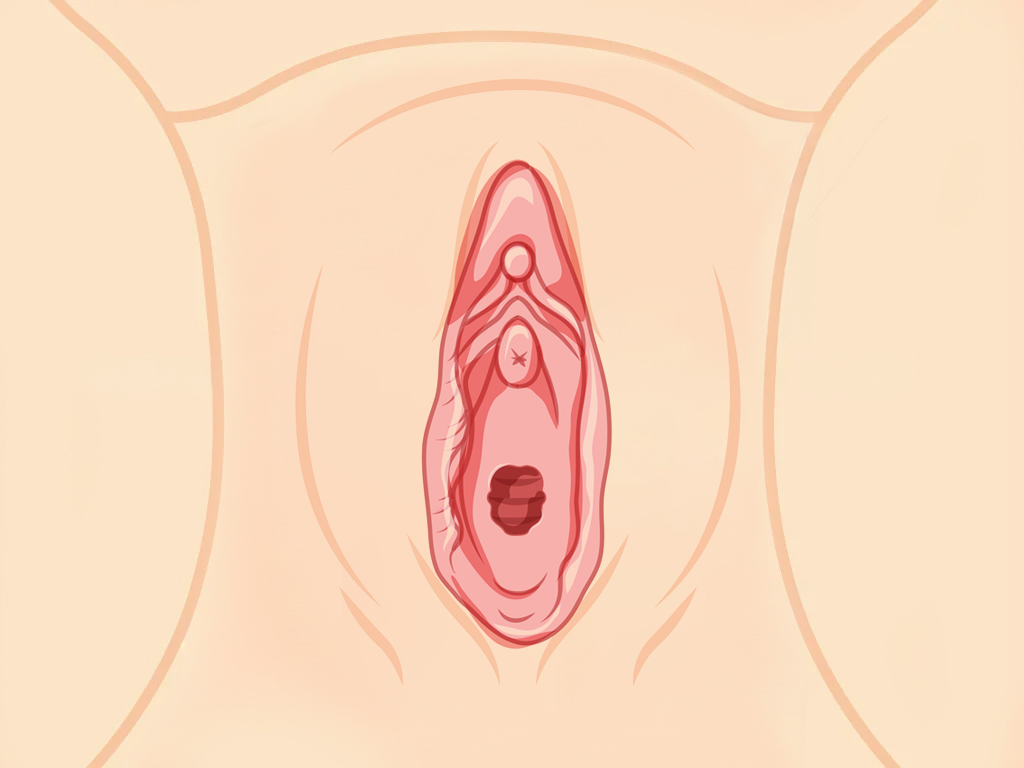
Longer-lasting sutures such as Monocryl or PDS may still be completing the absorption process several months after surgery.[5] By this point, labiaplasty recovery stitches are no longer contributing significantly to wound strength; the body’s own collagen has replaced the mechanical support they initially provided.[5-7]
The scar also continues to mature throughout this period, becoming flatter, softer, and less noticeable.[6,7]
What Is Normal During the Healing Process?
Healing after a labiaplasty surgery, just like with any surgery, is a gradual process, and changes that may appear concerning are actually normal. The appearance of the labia can change significantly during recovery as swelling reduces, bruising resolves, collagen forms, and scar tissue remodels. It is common for the labia to look different and even worse before the final desired result becomes apparent.[6-9]
While the labia have excellent blood flow, which promotes rapid wound healing, the area is also constantly exposed to moisture, friction from clothing and movement, and bacteria that make up the normal vulva and skin flora. Swelling, bruising, and discomfort are expected parts of recovery. Swelling is usually marked for the first 48–72 hours and may cause the labia to appear larger, firmer, or uneven. Bruising may even extend to nearby areas and gradually change from purple or blue to green and yellow before resolving.[8,9]
Other normal findings include mild pain, tenderness, and burning, and it’s common to wonder whether labiaplasty stitches hurt more than expected in the first couple of weeks before things settle. Mild itching, especially during the second to fourth weeks, is often a sign of healing as nerves regenerate and sutures dissolve.
Also, among the normal findings are visible stitches, temporary changes in sensation, firmness, and mild asymmetry. Firm or lumpy areas around the incision are commonly due to swelling and early scar formation and gradually soften as tissues remodel, though any lump that is rapidly growing, painful, or associated with redness, or any sign your labiaplasty stitches are split, should be evaluated by your surgeon rather than assumed to be routine healing. Early asymmetry is also expected because swelling rarely resolves evenly between both sides.[6-9]
The final appearance after labiaplasty should not be judged in the first few weeks. Scar maturation and tissue remodeling continue for several months, during which scars flatten, swelling decreases, and the tissues become softer and more natural in appearance.[6-9]
What Type of Stitches Are Used for Labiaplasty?
The success of labiaplasty stitches depends largely on the amount of tissue removed, the surgical technique used, the surgeon’s expertise, and the choice of suture material. While patients mostly focus on when their surgical wound would heal and when the sutures would disappear, surgeons consider several additional factors, including the type of suture to use, the suture’s tensile strength, handling characteristics, absorption profile, tissue reactivity, and the unique biological environment of the vulva.[1-4]
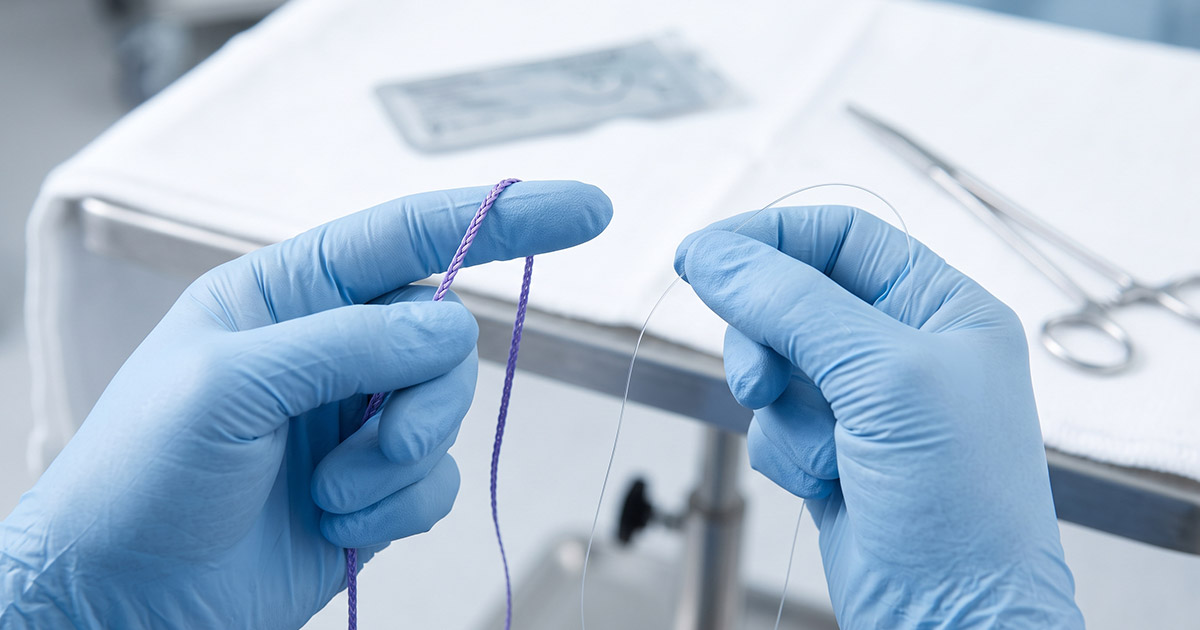
Unlike skin elsewhere on the body, the labia minora consist of thin, pliable, highly vascular mucocutaneous tissue with very little subcutaneous fat. Following surgery, the wound is exposed to urine, normal vaginal secretions, and repetitive movement during everyday activities. These factors increase the risk of wound edge separation if the incision is not adequately supported, but at the same time, prolonged retention of suture material may increase local inflammation, discomfort, and stitch extrusion.2,3
Because sutures play a critical role in patient comfort, wound healing, scar quality and ultimately the cosmetic outcome, fine absorbable sutures have become the standard of care in modern labiaplasty. Most cosmetic gynecologists and plastic surgeons select either a monofilament synthetic absorbable suture or a braided synthetic absorbable suture depending on the surgical technique and their individual preference.[2-5]
Why Absorbable Sutures Are Preferred
Absorbable (dissolvable) sutures maintain tissue approximation during the early healing period before gradually losing tensile strength. There are several reasons why absorbable sutures are preferred over non-absorbable alternatives:[4,5]

- They eliminate the need for labiaplasty stitches removal, which can be uncomfortable, anxiety-provoking, and occasionally difficult for patients, particularly when the tissues remain tender.
- They reduce unnecessary manipulation of a healing wound. Early suture removal may disrupt fragile collagen bridges that are still developing between the wound edges.
- They provide temporary mechanical support as epithelialization and collagen deposition progress during the natural wound healing process
- They improve patient comfort. Patients generally prefer knowing that their stitches will disappear naturally without another “procedure”.
- They are associated with excellent cosmetic outcomes when appropriately selected and combined with meticulous surgical technique.
- Synthetic absorbable sutures are also significantly less reactive than older natural absorbable materials such as plain gut or chromic gut, resulting in less postoperative inflammation and more predictable healing.[4]
Why Non-Absorbable Sutures Are Rarely Used
Non-absorbable sutures such as nylon (Ethilon®), polypropylene (Prolene®), polyester (Ethibond®), and silk are generally avoided in routine labiaplasty.[4]

Although these sutures provide prolonged tensile strength, their advantages offer little benefit in a procedure where the tissues typically heal within a few weeks.
Their disadvantages include increased foreign body reaction, greater patient discomfort, and the fact that they require subsequent removal.[4]
The Most Common Sutures Used in Labiaplasty
Although no single suture is universally accepted as the “best” for every case, several synthetic dissolvable sutures have become the preferred options because they balance wound support with minimal tissue reaction.[2-5]
1. Polyglactin 910 (Vicryl®)

Polyglactin 910, a braided synthetic absorbable suture composed of a copolymer of glycolide and lactide, remains one of the most widely used sutures for labiaplasty worldwide. Its popularity as one of the go-to labiaplasty stitches stems from excellent handling characteristics: it is soft, flexible, ties securely, and allows precise approximation of delicate tissue edges.[3-5]
2. Vicryl Rapide®

Vicryl Rapide is a modified version of Polyglactin 910 that undergoes gamma irradiation to accelerate absorption. Because epithelial healing of the labia occurs relatively quickly, many cosmetic surgeons prefer Vicryl Rapide for straightforward trim labiaplasties involving healthy tissue under minimal tension.[3,5]
3. Poliglecaprone 25 (Monocryl®)
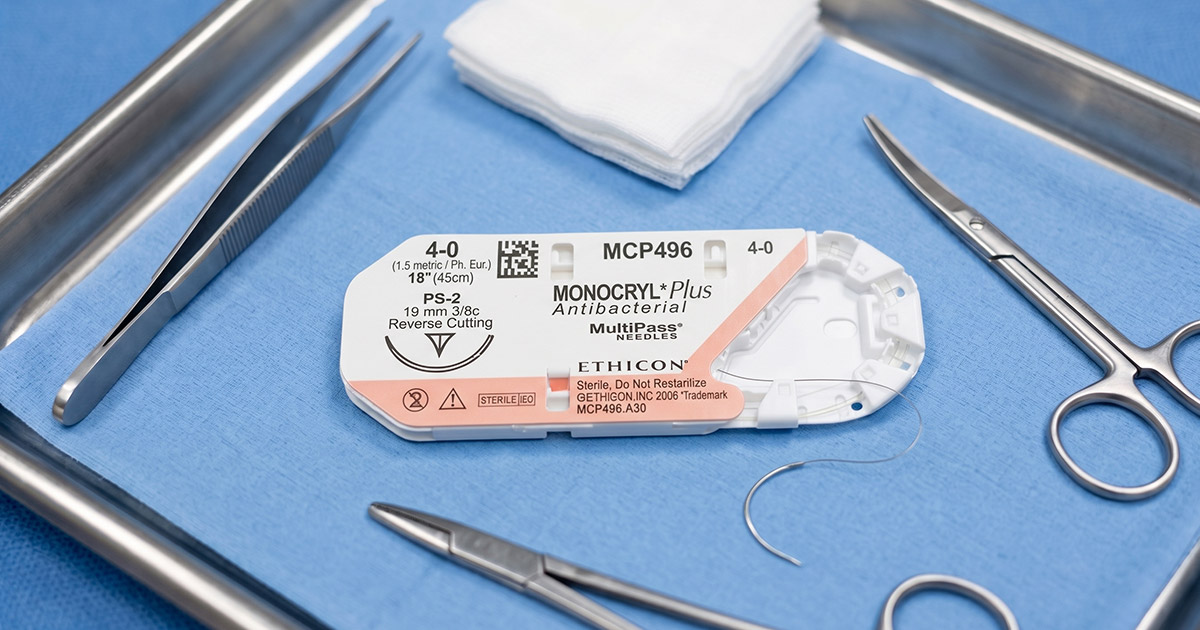
Monocryl is a synthetic monofilament absorbable suture that consists of a single smooth filament, allowing it to glide through tissue with minimal resistance and causing less tissue drag during placement.[4,5]
4. Polydioxanone (PDS II®)
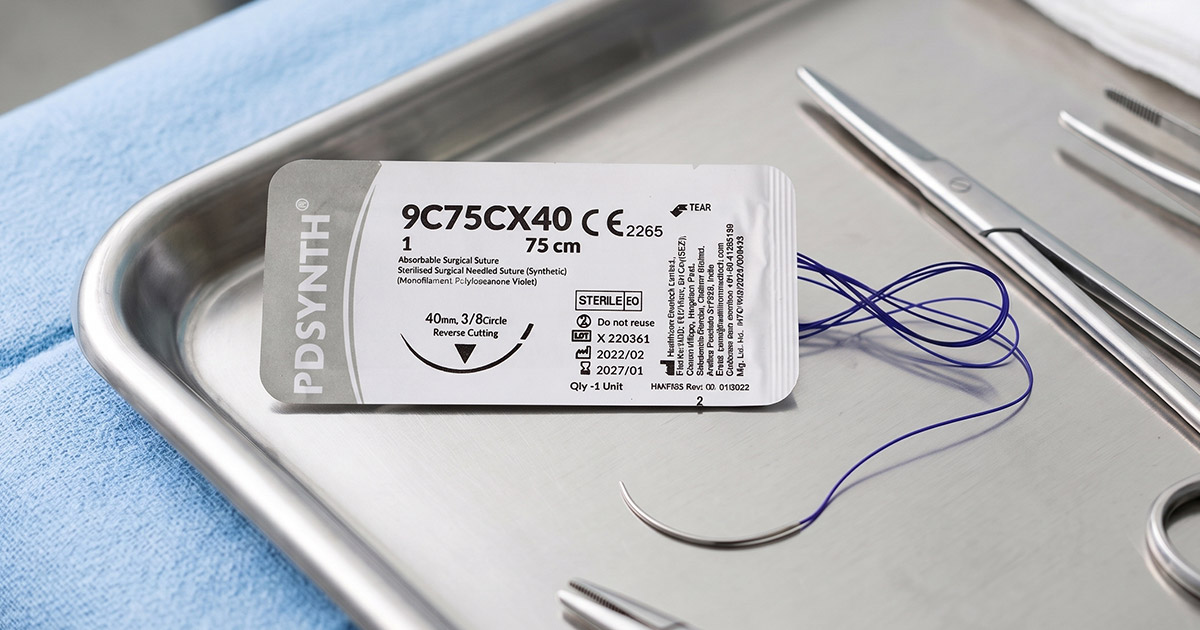
Polydioxanone (PDS II®) is another synthetic monofilament absorbable suture but differs significantly from Vicryl and Monocryl because it maintains tensile strength for a much longer period. PDS may be appropriate in selected situations such as revision labiaplasty and other complex reconstructive procedures.[4,5]
Suture Size Matters Too
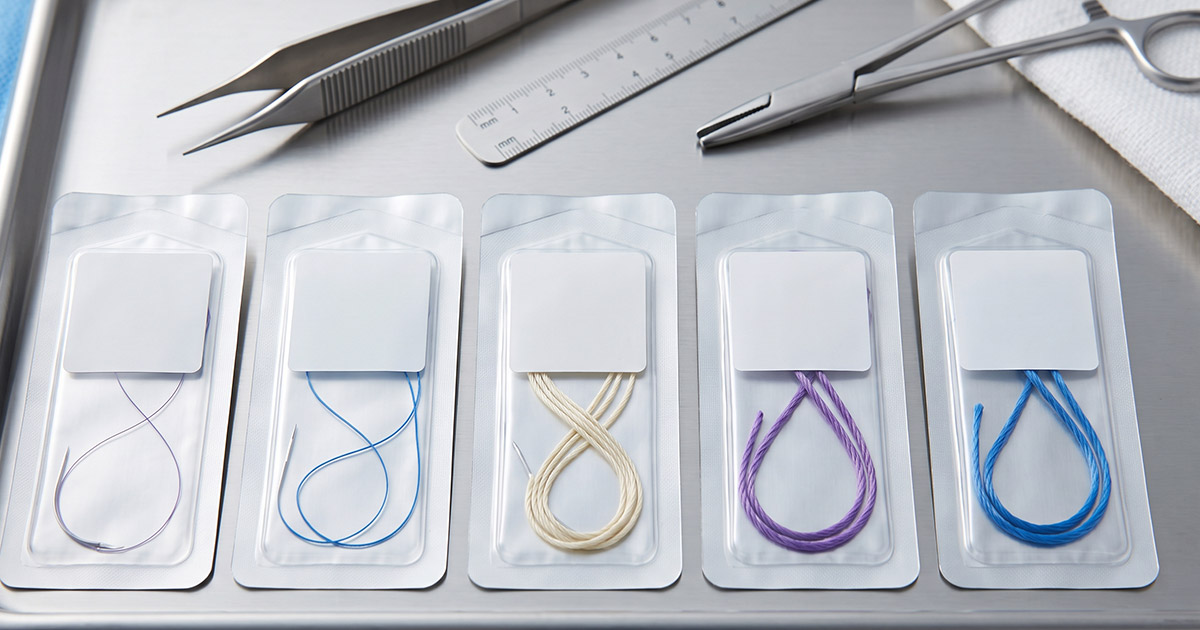
Equally important as the suture material is the suture calibre. Most labiaplasty procedures are closed using smaller diameter suture sizes like 4-0, 5-0, or occasionally 6-0 absorbable sutures, depending on the thickness of the labial tissue and the surgical technique. Finer sutures reduce tissue trauma, produce smaller needle punctures, and help minimize scar visibility.[2-4]
However, extremely fine sutures may lack sufficient tensile strength for wounds under tension. Ultimately, there is no universally “best” stitch for every patient. An experienced cosmetic gynecologist selects the suture that provides adequate wound support with the least tissue reaction, the greatest patient comfort, and the highest likelihood of an inconspicuous scar, whether the case involves a trim technique or wedge labiaplasty stitches.[2-4]
How to Care for Labiaplasty Recovery Stitches
Successful healing depends on both good surgical technique and proper postoperative care. The goals are to keep the incision clean and dry, minimize swelling, prevent infection, reduce tension on the wound, and protect the stitches until healing is complete. Although your surgeon’s instructions should always take priority, the following recommendations apply to most patients.[1,8,9,12]
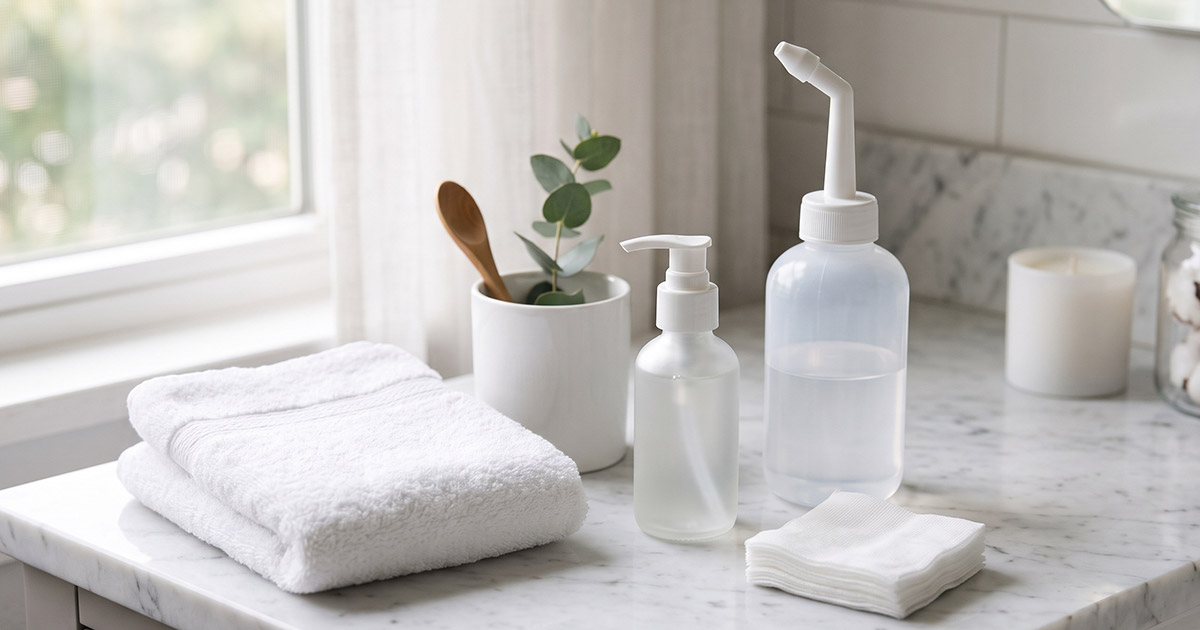
Keep the surgical area clean and dry, but avoid excessive washing
Clean the area once or twice daily with lukewarm water. Some surgeons recommend water alone during the first few days, while others allow a mild fragrance-free cleanser later. Avoid scrubbing the incision; instead, let water run gently over the area and pat it dry with a clean towel or sterile gauze. Rinsing with water after urination during the first week may also reduce stinging.[8,9]
Do not pull, trim, or remove dissolving stitches
Visible stitches are normal and may still be supporting the wound even if they appear loose. Do not pull or cut them, as this can cause bleeding, infection, or wound separation. If a stitch becomes painful or catches on clothing, let your surgeon assess it.[8]
Wear loose, breathable clothing
Loose-fitting clothing and soft cotton underwear reduce friction, moisture, and discomfort. Avoid tight jeans, shapewear, lace underwear, or any clothing that places pressure on the healing incision.[8]
Avoid activities that place tension on the incision
Avoid strenuous exercise, sexual intercourse, running, cycling, horseback riding, heavy lifting, squatting, and other activities that stretch the treated area, since too much tension is a common cause of labiaplasty stitches opening before the wound has fully healed.[8,9,13]
Avoid Swimming, Hot Tubs, and Prolonged Soaking
Avoid swimming pools, hot tubs, lakes, public spas, and prolonged baths until the incision has healed, as they increase the risk of infection and may delay wound healing. Showering is generally preferred.[8,9]
Eat a diet that supports wound healing
A balanced diet rich in protein, fruits, vegetables, whole grains, healthy fats, and fluids supports tissue repair. Nutrients such as vitamin C, vitamin A, zinc, and iron are particularly important for collagen formation and wound healing.[10]
Avoid smoking and nicotine products
Smoking and nicotine reduce blood flow and oxygen delivery to healing tissues, increasing the risk of infection, tissue damage, poor healing and scarring. Avoid all nicotine products before and throughout recovery.[11]
Take Medications Exactly as Prescribed
Take all prescribed medications as directed, including pain relief, antibiotics, or stool softeners if prescribed. Do not apply creams, antiseptics, herbal remedies, or ointments unless approved by your surgeon.[8,9]
Attend scheduled follow-up appointments
Follow-up visits allow your surgeon to monitor healing, assess the stitches, detect complications early, and advise when normal activities can safely resume. Do not skip appointments even if you feel well.[8,9]
What If Your Labiaplasty Stitches Are Undone or Not Dissolving?
Finding a single stitch on your underwear or a pad does not usually mean the incision will open. By the time many stitches loosen, the wound has already developed enough strength to remain closed. However, if multiple labiaplasty stitches split or come undone during the first few days after surgery, the incision begins to separate, persistent bleeding develops, or deeper tissue becomes visible, contact your surgeon promptly.[4-8]

It is also normal for some labiaplasty dissolvable stitches to remain visible for several weeks or even months. They lose their strength long before they disappear completely, so a visible stitch does not mean healing has been delayed. Occasionally, a small piece of suture may work its way to the skin surface (a “spitting stitch”), appearing as a tiny white thread or knot. Although it can be irritating, it is usually harmless and often resolves on its own or can be removed by your surgeon during a follow-up visit.[4,5,8]
Do not pull, cut, or attempt labiaplasty stitch removal yourself. This can disrupt the healing wound, introduce bacteria, and cause bleeding. If a protruding stitch becomes uncomfortable or catches on clothing, your surgeon can determine whether it is safe to trim or remove the exposed material.[8]
When to Contact Your Surgeon
Most patients recover from labiaplasty without significant complications. However, you should not wait until your next follow-up appointment if symptoms are persistent, worsen over time, or return after initially improving. Early evaluation and treatment can often prevent minor problems from becoming more serious.[1,8,12,14]

Contact your surgeon if you experience increasing pain instead of gradual improvement, swelling that continues to worsen, sudden marked asymmetry, a rapidly enlarging lump, or persistent bright red bleeding that soaks pads. These symptoms may indicate complications such as a hematoma, excessive wound tension, or wound separation.[1,8,12]
You should also seek help from your surgeon if you develop signs of infection, including spreading redness, warmth, worsening pain, yellow, green, or foul-smelling discharge, fever, chills, or feeling generally unwell. Labiaplasty stitches smell bad or produce discolored discharge only in the presence of infection, and this warrants prompt evaluation rather than waiting it out.
Contact your surgeon if you notice labiaplasty stitches opening, deeper tissues becoming visible, wound edges separating, or several stitches coming out early.[1,8,12]
Finally, contact your surgeon if you have difficulty passing urine, severe pain during urination, or are unable to empty your bladder, as swelling can occasionally interfere with normal urination. Early assessment is the best way to protect both your recovery and your final cosmetic result.[8]
FAQs on Labiaplasty Stitches & Recovery
When do labiaplasty stitches dissolve, and what does “dissolving” actually mean?
Patients often imagine that dissolvable stitches simply melt away over a few days but that is not how absorbable sutures behave. Synthetic absorbable sutures undergo hydrolysis, a process in which water molecules gradually break down the polymer chains that make up the suture. As this occurs, the suture progressively loses its tensile strength before eventually fragmenting into microscopic particles that are absorbed and eliminated by the body[4,5]
Do labiaplasty stitches smell bad during normal healing?
A faint odor from discharge or dried blood in the first few days can be normal, but a genuinely foul or worsening smell is not, and usually points to infection rather than routine healing. If you notice this, contact your surgeon rather than waiting for your next scheduled visit.
Can dissolvable stitches cause an allergic reaction?
True allergic reactions to modern synthetic absorbable sutures such as Vicryl® or Monocryl® are extremely rare. However, some patients may experience localized irritation or a mild inflammatory response as the stitches break down. If you develop widespread redness, severe itching, or blistering, you should contact your surgeon to rule out an allergic reaction or another skin condition.[4]
Why does one side seem to be healing faster than the other?
It is common for one labium to heal more quickly than the other. Differences in swelling, blood supply, tissue thickness, the amount of tissue removed, and even normal variations in your body’s inflammatory response can cause each side to heal at a slightly different pace.
Why does healing time differ between patients?
Labiaplasty stitches healing time varies because every patient and every procedure is unique. The type of dissolvable stitches used, the complexity of the labiaplasty, your age, overall health, nutrition, smoking status, and medical conditions such as diabetes can all affect how quickly tissues heal.[7,10,11]
Will I be able to feel the stitches permanently?
No. Dissolvable stitches are temporary and are designed to be absorbed by the body. Although you may feel knots or firmness beneath the incision during the first few weeks or months, these sensations gradually disappear as the sutures dissolve and scar tissue matures.
Is it normal for the incision to look uneven at first?
Yes. During the early stages of healing, swelling can distort the appearance of the labia, making the incision look uneven, thicker than expected, or slightly irregular. This does not reflect the final surgical result. Most cosmetic surgeons recommend waiting at least three to six months before evaluating the final appearance.[8,9]
Will the stitches leave permanent marks?
When fine sutures are placed using meticulous surgical technique, permanent stitch marks are uncommon. Small puncture marks may be visible during the early weeks of healing but usually fade as the scar matures. The final appearance depends more on the quality of wound healing than on the stitches themselves.
Can I use scar creams or silicone gel on the incision?
Not immediately. Scar creams, silicone gels, or other scar treatments should only be used after the incision has completely healed, and your surgeon confirms that it is safe to do so. Applying these products too early may irritate the wound or interfere with normal healing.
Labiaplasty Stitches Healing: The Bottom Line
Labiaplasty stitches healing is not defined by the exact day every stitch disappears. Absorbable sutures break down at different rates, and visible threads, mild labiaplasty stitches itching, firmness, or uneven swelling can all be part of a normal labiaplasty recovery. The more reliable sign is the overall direction of healing: discomfort should ease, swelling should reduce, and the incision should remain closed and healthy. Patience, careful aftercare, and timely communication with the surgeon remain the best safeguards for a smooth recovery and a satisfactory final result.
References
- Géczi AM, Varga T, Vajna R, et al. Comprehensive Assessment of Labiaplasty Techniques and Tools, Satisfaction Rates, and Risk Factors: A Systematic Review and Meta-analysis. Aesthetic Surgery Journal. 2024;44(11):NP798-NP808. doi:10.1093/asj/sjae143. https://doi.org/10.1093/asj/sjae143
- Oranges CM, Sisti A, Sisti G. Labia Minora Reduction Techniques: A Comprehensive Literature Review. Aesthetic Surgery Journal. 2015;35(4):419-431. doi:10.1093/asj/sjv023. https://doi.org/10.1093/asj/sjv023
- Motakef S, Rodriguez-Feliz J, Chung MT, Ingargiola MJ, Wong VW, Patel A. Vaginal Labiaplasty: Current Practices and a Simplified Classification System for Labial Protrusion. Plastic and Reconstructive Surgery. 2015;135(3):774-788. doi:10.1097/PRS.0000000000001000. https://doi.org/10.1097/PRS.0000000000001000
- Byrne M, Aly A. The Surgical Suture. Aesthetic Surgery Journal. 2019;39(Suppl 2):S67-S72. doi:10.1093/asj/sjz036. https://doi.org/10.1093/asj/sjz036
- Johnson & Johnson Medical Limited. ETHICON Suture Chart: Synthetic Absorbable and Nonabsorbable Sutures. 2020. Accessed July 20, 2026. https://www.jnjmedtech.com/system/files/pdf/Ethicon%20Suture%20Chart.pdf
- Gurtner GC, Werner S, Barrandon Y, Longaker MT. Wound Repair and Regeneration. Nature. 2008;453(7193):314-321. doi:10.1038/nature07039. https://doi.org/10.1038/nature07039
- Reinke JM, Sorg H. Wound Repair and Regeneration. European Surgical Research. 2012;49(1):35-43. doi:10.1159/000339613. https://doi.org/10.1159/000339613
- Cleveland Clinic. Labiaplasty: Surgery, Recovery & What to Expect. Medically reviewed June 15, 2023. Accessed July 20, 2026. https://my.clevelandclinic.org/health/treatments/21953-labiaplasty
- American Society of Plastic Surgeons. What to Expect at Every Stage of Your Labiaplasty. August 13, 2019. Accessed July 20, 2026. https://www.plasticsurgery.org/news/blog/what-to-expect-at-every-stage-of-your-labiaplasty
- Arnold M, Barbul A. Nutrition and Wound Healing. Plastic and Reconstructive Surgery. 2006;117(7 Suppl):42S-58S. doi:10.1097/01.prs.0000225432.17501.6c. https://doi.org/10.1097/01.prs.0000225432.17501.6c
- Sørensen LT. Wound Healing and Infection in Surgery: The Pathophysiological Impact of Smoking, Smoking Cessation, and Nicotine Replacement Therapy: A Systematic Review. Annals of Surgery. 2012;255(6):1069-1079. doi:10.1097/SLA.0b013e31824f632d. https://doi.org/10.1097/SLA.0b013e31824f632d
- Escandón JM, Bustos VP, Correa-Pérez MC, et al. Maximizing Safety and Optimizing Outcomes of Labiaplasty: A Systematic Review and Meta-analysis. Plastic and Reconstructive Surgery. 2023;151(2):281e-293e. doi:10.1097/PRS.0000000000009863. https://doi.org/10.1097/PRS.0000000000009863
- Sinnott CJ, Glickman LT, Natoli N, et al. Outcomes, Techniques, and Risk Factors for Dehiscence in Central Wedge Labiaplasty. Annals of Plastic Surgery. 2020;85(S1 Suppl 1):S68-S75. doi:10.1097/SAP.0000000000002342. https://doi.org/10.1097/SAP.0000000000002342
- American College of Obstetricians and Gynecologists. Elective Female Genital Cosmetic Surgery: ACOG Committee Opinion No. 795. Obstetrics & Gynecology. 2020;135(1):e36-e42. doi:10.1097/AOG.0000000000003616. https://doi.org/10.1097/AOG.0000000000003616