

For many women, the question of getting a labiaplasty arises from a mix of physical discomfort, aesthetic concerns, and uncertainty about what is considered normal. The anatomy of the labia varies widely, and there is no single standard of appearance or size1. However, variation does not always mean comfort.
From a medical perspective, labiaplasty is a procedure designed to reshape or reduce the labia minora or majora. While often categorized as cosmetic, it can also address functional concerns such as chronic irritation, hygiene challenges, and pain during physical activities or intimacy.
If you are wondering how to know if you need a labiaplasty, the answer lies in evaluating both physical symptoms and their impact on your quality of life. This is not purely an aesthetic decision and often involves functional, psychological, and lifestyle factors that deserve careful consideration.
What Is Labiaplasty and Why Is It Performed?
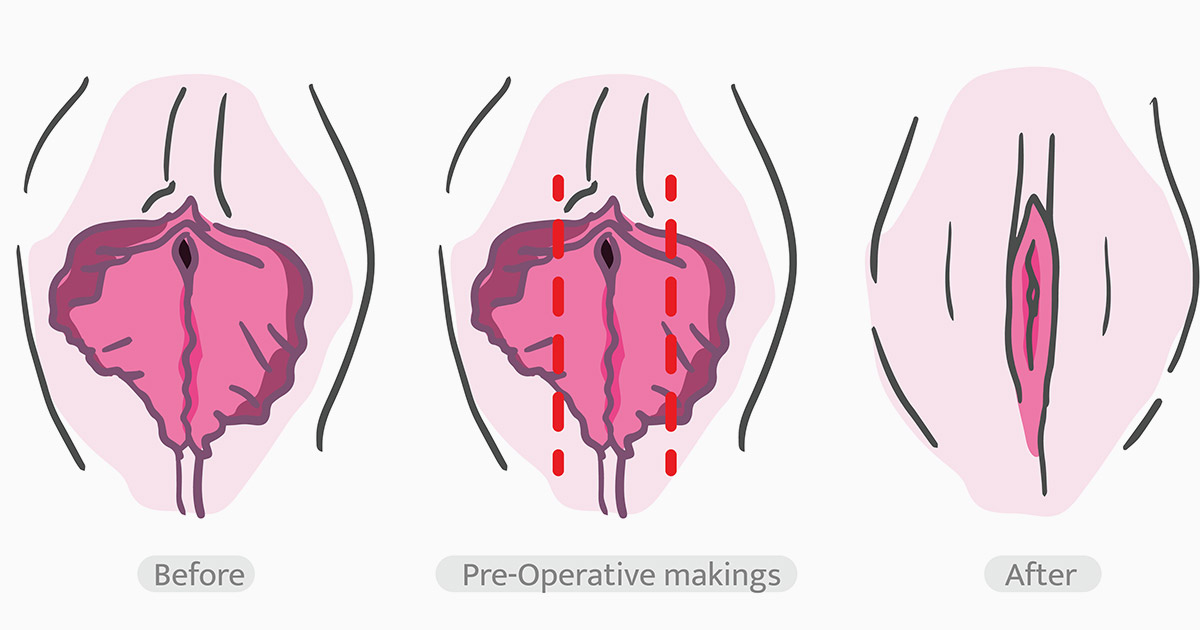
Labiaplasty involves the surgical reshaping of the labial tissue to reduce excess skin, improve symmetry, or alleviate discomfort. Techniques vary depending on anatomy and goals, but the underlying principle is preserving function while enhancing comfort and proportion. Clinically, the reasons why you would need a labiaplasty can be divided into two categories:
- Functional indications such as irritation, chafing, or pain
- Aesthetic or psychological concerns related to self-image
Understanding everything you need to know about labiaplasty includes recognizing that it is not about achieving a uniform appearance, but about restoring comfort and confidence based on individual needs.
Common Signs You May Be a Candidate
Persistent Physical Discomfort
One of the most medically relevant signs you need a labiaplasty is chronic discomfort. Enlarged or elongated labial tissue can cause friction against clothing or skin, leading to irritation, redness, or even small abrasions.
Patients often report discomfort during activities such as cycling, running, or prolonged sitting. If these symptoms are consistent and interfere with daily life, it becomes clearer to know if you need a labiaplasty from a functional standpoint.
Discomfort in Clothing
Tight clothing such as leggings, swimwear, or undergarments can create pressure and friction. This often leads to pinching or visible bulging, which may cause both physical discomfort and self-consciousness.
For some individuals, this is the primary reason behind getting a labiaplasty. The issue is not appearance alone, but the inability to wear normal clothing comfortably.
Pain or Discomfort During Intimacy
Pain during sexual activity is a clinically significant concern. Excess tissue may be pulled or twisted, leading to discomfort or even avoidance of intimacy.
If you are wondering when you need a labiaplasty, persistent discomfort during intimacy is a strong indicator that consultation with a specialist may be appropriate.
Hygiene Challenges and Recurrent Irritation
Excess labial tissue can create folds that retain moisture, which may contribute to irritation or discomfort, particularly in active individuals2. Maintaining hygiene may require additional effort, but it still does not prevent recurrent issues.
This is another key factor in understanding how to know if you need labiaplasty, especially when conservative measures such as hygiene adjustments do not resolve the problem.
Asymmetry or Elongation
While asymmetry is common, significant differences in size or shape can lead to functional issues. One side may experience more friction or discomfort than the other.
This often contributes to the reason why women need labiaplasty, particularly when asymmetry affects comfort rather than just appearance.
Emotional and Psychological Impact
Self-consciousness related to labial appearance can affect confidence, relationships, and overall well-being. Avoiding certain clothing, activities, or intimacy due to embarrassment is not uncommon.
Understanding why you need a labiaplasty includes recognizing the psychological component. Emotional discomfort is a valid consideration when it affects quality of life.
Who Is an Ideal Candidate?

Physical and Health Criteria
Candidates for labiaplasty are typically in good overall health, with no uncontrolled medical conditions that may impair healing. Another important factor is the maturity of anatomy.
How old do you need to be for labiaplasty?
A common question is regarding the age to get a labiaplasty. Most specialists recommend that patients be at least 18 years old, ensuring full anatomical development and informed decision-making.
Realistic Expectations
Patients should have a clear understanding of what the procedure can and cannot achieve. Labiaplasty can improve comfort and symmetry, but it does not create a standardized or “perfect” appearance.
If you are evaluating how to know if you need a labiaplasty, consider whether your expectations are aligned with functional improvement rather than unrealistic ideals.
When Conservative Measures Are Not Enough
Before considering surgery, non-surgical approaches such as wearing looser clothing, using barrier creams, or modifying activities are often recommended.
If these measures fail to relieve symptoms, it becomes clearer why you would need a labiaplasty from a medical standpoint.
When Should You Talk to a Specialist?
Recognizing when you need a labiaplasty often comes down to persistence and impact. Occasional discomfort may not require intervention, but consistent symptoms should not be ignored. You should consider consulting a specialist if:
- Discomfort interferes with daily activities
- Symptoms persist despite lifestyle changes
- You experience pain during intimacy
- Emotional distress affects confidence or relationships
During a consultation, a qualified surgeon will evaluate your anatomy, discuss your concerns, and determine whether you are a suitable candidate. This is the most reliable way to answer the question of getting a labiaplasty with clinical accuracy.
Benefits of Labiaplasty
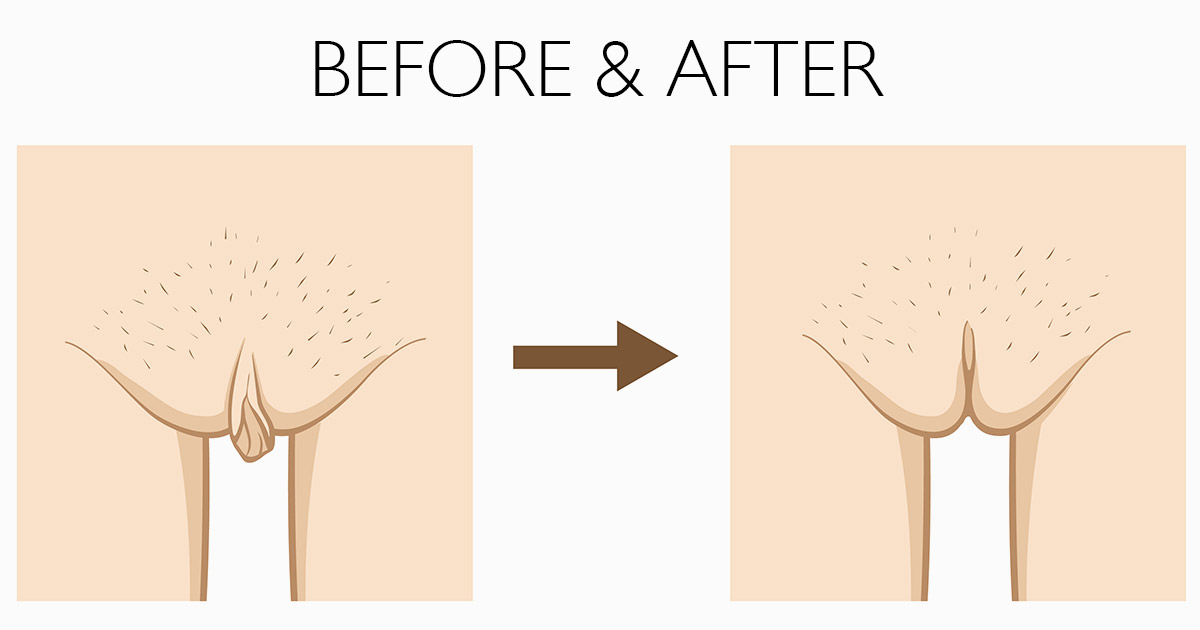
From a clinical perspective, labiaplasty benefits extend beyond aesthetics. The procedure can significantly improve physical comfort and reduce chronic irritation. Documented benefits include:
- Reduced friction and chafing during movement
- Improved comfort in clothing
- Enhanced hygiene
- Relief from pain during physical activities or intimacy
- Increased confidence and body awareness
These outcomes highlight why someone would need a labiaplasty as a functional solution rather than a purely cosmetic choice.
Risks and Recovery Considerations
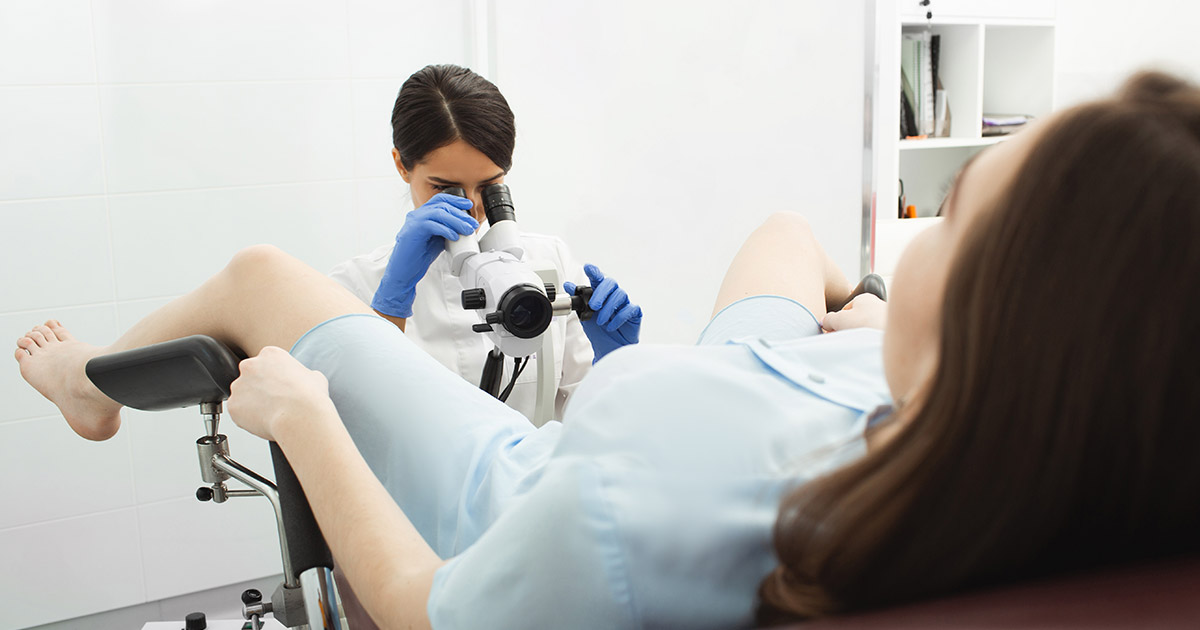
Like any surgical procedure, labiaplasty carries risks such as infection, swelling, and temporary discomfort. However, when performed by an experienced specialist, complication rates are generally low.
Understanding the labiaplasty recovery timeline is essential for setting expectations. Initial swelling and discomfort typically subside within a few weeks, while complete healing may take several months3.
Patients are advised to avoid strenuous activity and sexual intercourse during early recovery to ensure optimal results.
For those still asking if they need a labiaplasty, understanding both benefits and risks is crucial for making an informed decision.
Important Questions to Ask Yourself

Before proceeding, it is important to reflect on your motivations and expectations. Consider the following:
- Are my symptoms affecting my daily life or comfort?
- Have I tried non-surgical solutions?
- Am I making this decision for myself rather than external pressure?
- Do I understand the realistic outcomes of the procedure?
These questions help clarify how to know if you need a labiaplasty and ensure that the decision is both informed and personal.
Frequently Asked Questions
Is labiaplasty medically necessary?
In most cases, labiaplasty is elective. However, it can address functional issues such as chronic irritation or pain, making it medically beneficial in certain situations.
How do I know if my labia are normal?
There is a wide range of normal variation in labial size and shape. The need for surgery is not determined by appearance alone, but by symptoms and personal comfort.
Does labiaplasty hurt?
The procedure is typically performed under anesthesia. Postoperative discomfort is manageable and decreases significantly within the first few weeks.
How do I know if I should consider surgery?
If you find yourself frequently questioning whether labiaplasty might be right for you, it may be a good time to seek a professional evaluation. A qualified specialist can assess your concerns, explain your options, and help you make an informed, confident decision based on your individual needs.
Making an Informed Decision About Your Body
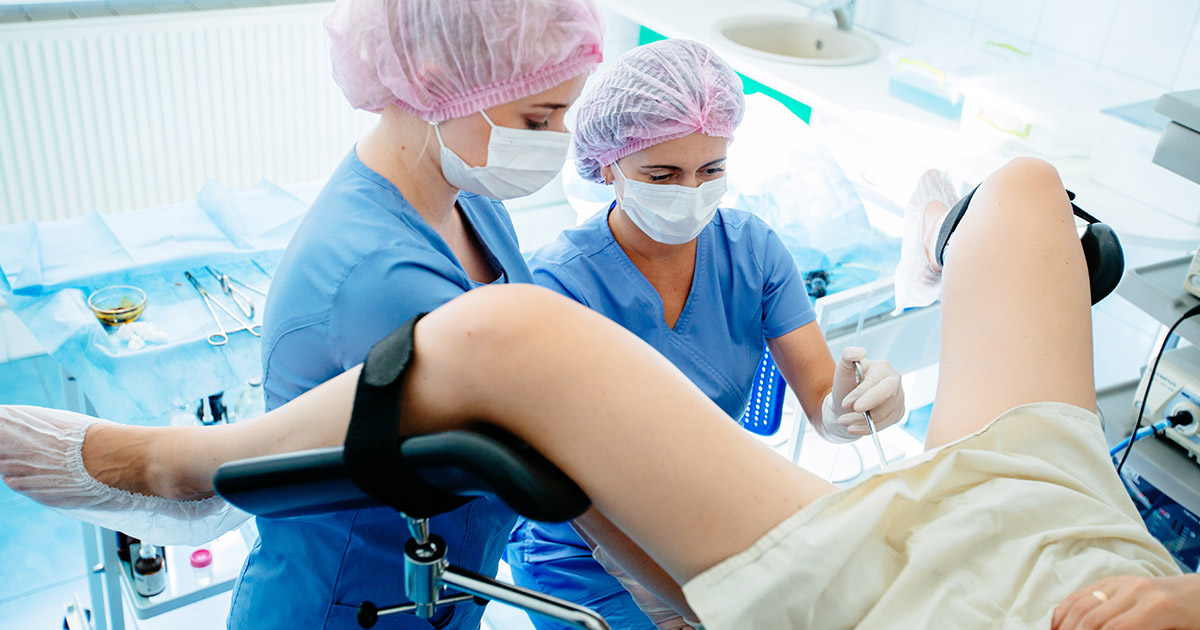
Deciding whether to undergo labiaplasty is deeply personal and should be guided by both medical insight and individual comfort. Understanding why women need labiaplasty involves recognizing that the procedure can address real physical and emotional concerns.
If you are experiencing persistent symptoms or uncertainty, the most reliable way to get your answer is through a private consultation with an experienced specialist. A thorough evaluation will help determine whether the procedure aligns with your needs and goals.
Ultimately, the decision is not about meeting a standard. It is about improving comfort, confidence, and quality of life in a way that is right for you.
Personalized Labiaplasty and Vaginal Rejuvenation Solutions
Our Labiaplasty NYC clinic offers expertly performed labiaplasty along with a range of advanced vaginal rejuvenation treatments designed to enhance comfort, function, and confidence. Every procedure is customized to your individual needs with a focus on safety and natural-looking results. If you are exploring your options, reach out to us to arrange a private consultation with our specialists.
References
- Ortega-Sánchez I, Lucha-López MO, Monti-Ballano S. Systematic Review and Meta-Analysis of Labia Minora Anatomy in Premenopausal Women: Toward Better Labiaplasty Decisions. J Clin Med. 2026 Feb 21;15(4):1641. doi: 10.3390/jcm15041641. PMID: 41753328; PMCID: PMC12941697.
- Sabir S, Anand S, Mendez MD. Labial Adhesions. [Updated 2025 Dec 14]. In: StatPearls [Internet]. Treasure Island (FL): StatPearls Publishing; 2026 Jan-. Available from: https://www.ncbi.nlm.nih.gov/books/NBK470461/
- Wallace HA, Basehore BM, Zito PM. Wound Healing Phases. [Updated 2023 Jun 12]. In: StatPearls [Internet]. Treasure Island (FL): StatPearls Publishing; 2026 Jan-. Available from: https://www.ncbi.nlm.nih.gov/books/NBK470443/