


ThermiVa® vs. FemiLift®
Non-surgical vaginal rejuvenation options in New York City designed to support comfort, confidence, and intimate wellness.
Many women in NYC explore ThermiVa® and FemiLift® as non-surgical solutions to vaginal laxity, dryness, and mild urinary concerns.
Understanding Non-Surgical Vaginal Rejuvenation
Non-surgical vaginal rejuvenation treatments are designed to support tissue health, improve elasticity, and enhance overall vaginal function. These treatments may help address:
- Vaginal laxity
- Dryness or discomfort
- Pelvic floor health
- Changes related to menopause
- Intimacy concerns
Many patients in New York City choose these treatments because they are minimally invasive, require little to no downtime, and can be performed in-office.
When comparing ThermiVa® vs. FemiLift®, it is important to understand how each approach works and what concerns they may help improve. Both treatments are popular non-surgical vaginal tightening options, but they use different technologies and may suit different needs.
This guide is designed to help you better understand ThermiVa® vs. FemiLift® so you can feel more confident discussing your options during a consultation.
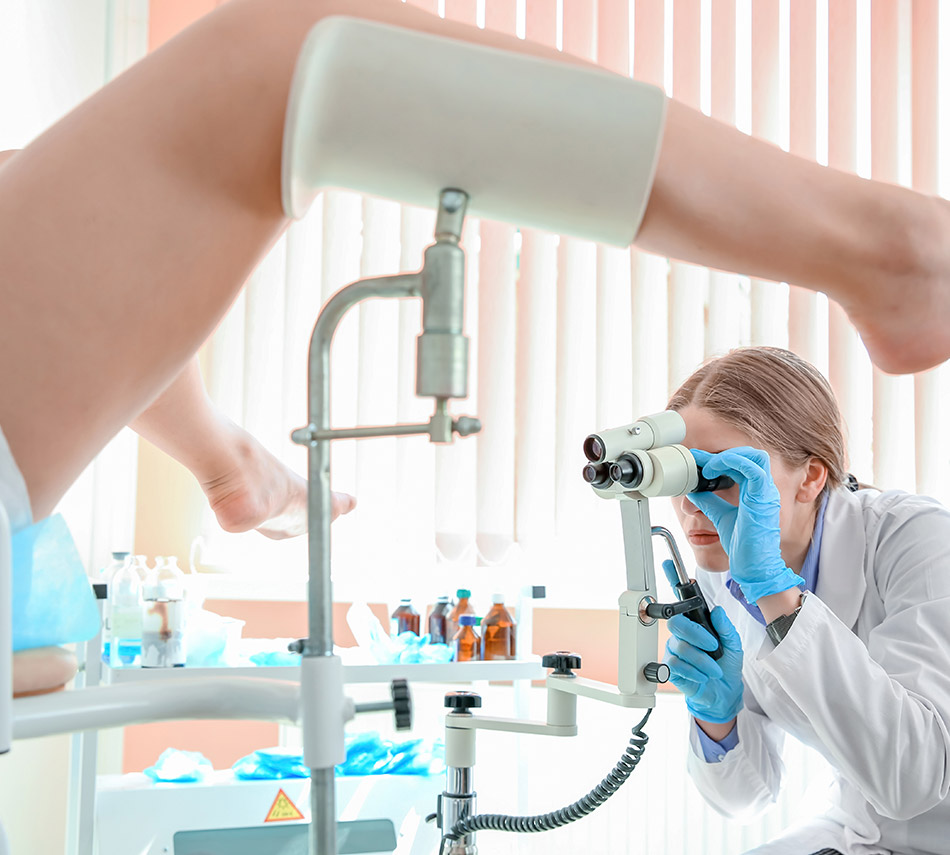

What Is ThermiVa®?
ThermiVa® radiofrequency treatment is a non-invasive procedure that uses controlled radiofrequency energy to gently heat tissue.
This heat stimulates collagen production and improves circulation, which may help:
- Improve vaginal laxity
- Enhance moisture levels
- Support tissue tone
- Support pelvic floor health and control
Many patients consider ThermiVa® for mild incontinence and overall tissue rejuvenation. The treatment is typically performed using a handheld device applied externally and internally, with no need for anesthesia.
Patients often describe the experience as warm and comfortable.
What Is FemiLift®?
FemiLift® CO2 laser is a laser-based vaginal rejuvenation treatment that uses fractional CO2 laser energy to stimulate tissue remodeling. This treatment may help:
- Improve vaginal dryness
- Support tightening of vaginal tissue
- Enhance elasticity
- Address menopausal symptoms
Many patients explore FemiLift® for vaginal dryness and changes related to vaginal rejuvenation post menopause. The laser creates controlled micro-columns of energy that encourage the body’s natural healing response.
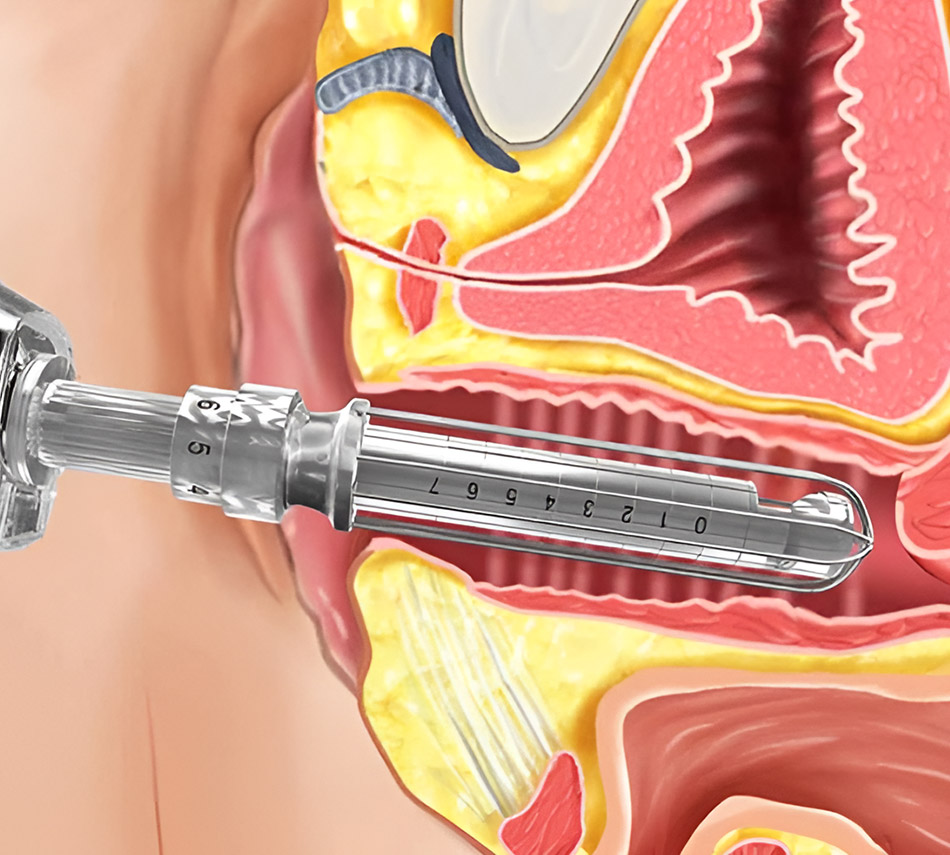

Key Differences: ThermiVa® vs. FemiLift®
When comparing ThermiVa® vs. FemiLift®, the main distinction lies in the technology used and how each treatment interacts with tissue. This comparison highlights the key differences between radiofrequency vs. laser vaginal rejuvenation.
| Category | ThermiVa® | FemiLift® |
| Technology | Uses radiofrequency energy | Uses fractional CO2 laser technology |
| Treatment Type | Radiofrequency-based vaginal rejuvenation | Laser-based vaginal rejuvenation |
| Treatment Experience | Often described as a gentle warming sensation | Feels like a mild internal treatment with brief pulses |
| Number of Sessions | Typically performed in a series of 3 sessions | Usually 2–3 sessions, depending on goals |
| Comfort Level | Generally well tolerated; many patients find it relaxing | Generally well tolerated; may involve mild sensitivity |
| Downtime | No downtime | Minimal downtime; short activity restrictions may be advised |
| Results Timeline | Gradual improvement over several weeks | Improvements may be noticeable after initial sessions |
Understanding these differences can help clarify ThermiVa® vs. FemiLift® when considering your personal preferences and comfort level.
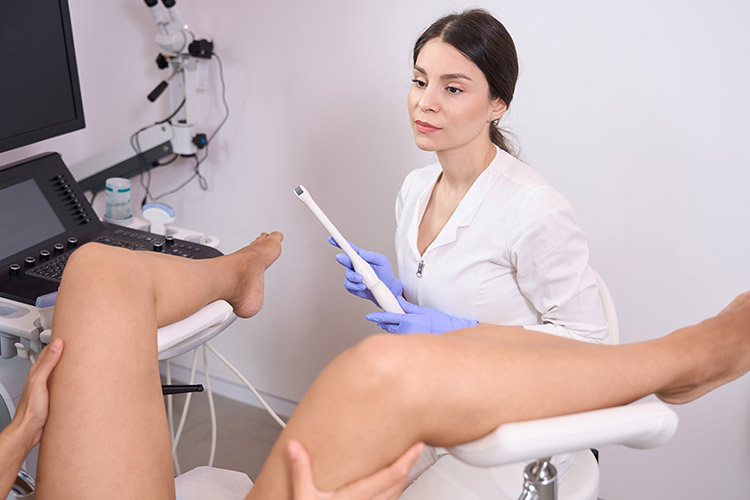
Benefits of ThermiVa®
For patients exploring ThermiVa® vs. FemiLift®, ThermiVa® may be preferred in certain situations.
Potential benefits:
- Gentle, heat-based treatment
- No downtime or recovery period
- Suitable for external and internal treatment areas
- May support improved sensation and comfort
- May support pelvic floor health and control
ThermiVa® radiofrequency treatment often appeals to patients seeking a gradual, non-invasive approach.
Benefits of FemiLift®
When comparing ThermiVa® vs. FemiLift®, some patients may prefer the laser-based approach of FemiLift®.
Potential benefits:
- Targeted tissue remodeling using laser technology
- May be beneficial for vaginal dryness
- Often used for vaginal rejuvenation post menopause
- Can support collagen production and tissue renewal
The FemiLift® CO2 laser approach may be especially appealing to patients looking for a structured treatment plan with measurable sessions.
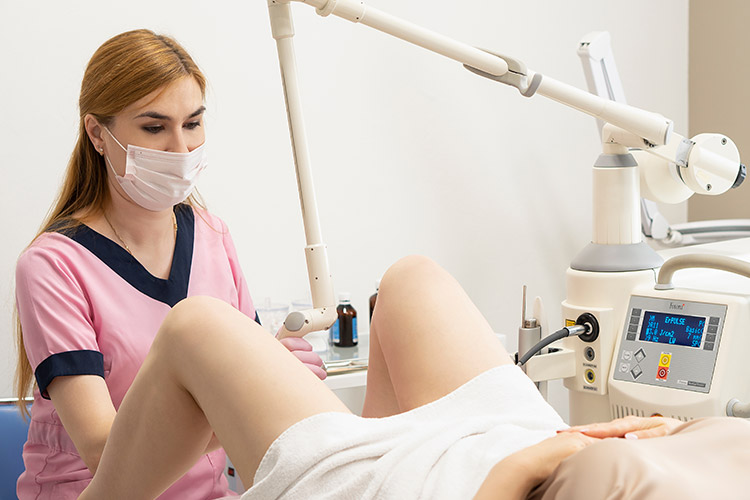
Which Treatment Is Right for You?
Choosing between ThermiVa® vs. FemiLift® depends on several personal factors, including:
- Your specific concerns (laxity, dryness, mild leakage)
- Sensitivity to different treatment types
- Lifestyle and downtime preferences
- Desired pace of results
For example:
- Patients focused on comfort and no downtime lean toward ThermiVa®
- Those seeking targeted treatment for dryness consider FemiLift®
Ultimately, the best way to decide between ThermiVa® vs. FemiLift® is through a personalized consultation. A qualified provider in NYC can evaluate your concerns and recommend the most appropriate approach.

What to Expect During Treatment
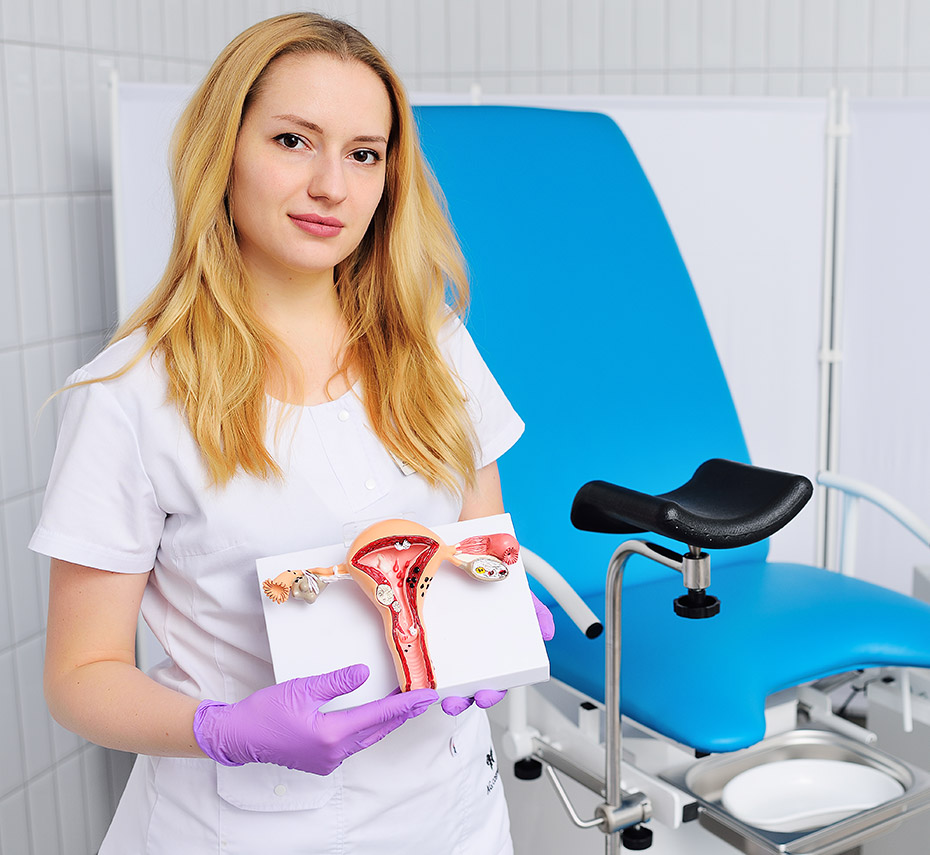
Both ThermiVa® and FemiLift® are performed in-office and typically take under 30 minutes.
The ThermiVa® Experience
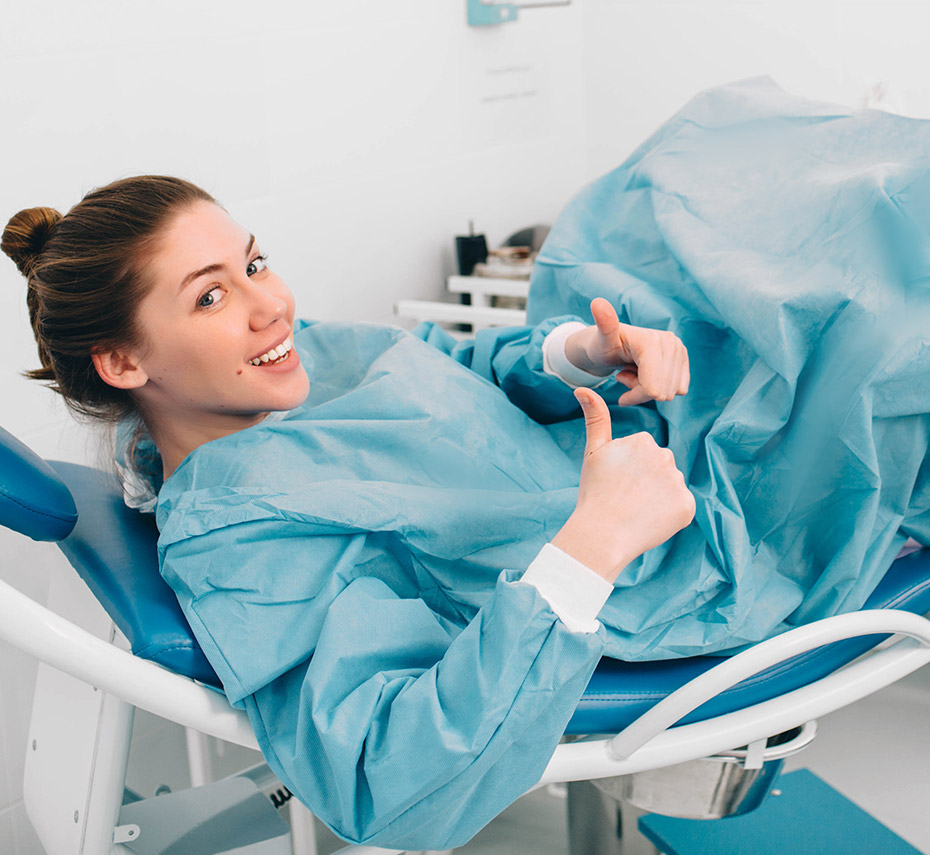
- A smooth, temperature-controlled device is applied
- Patients often feel a warm sensation
- No anesthesia or recovery time is required
The FemiLift® Experience
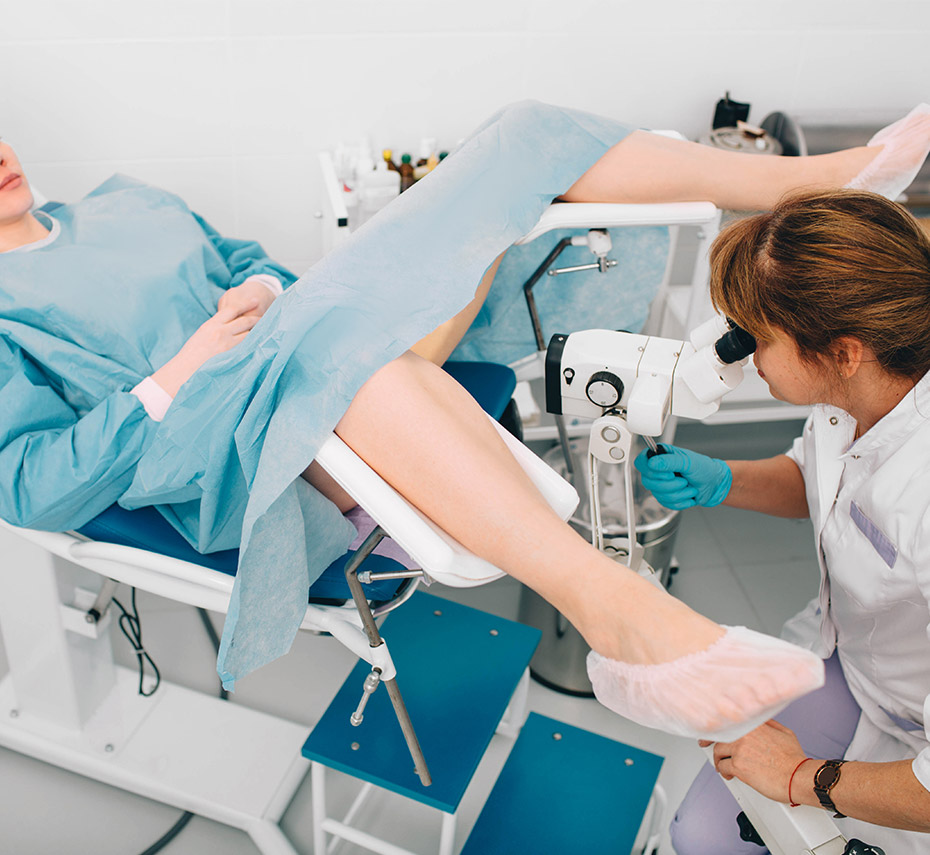
- A small laser probe is inserted into the vaginal canal
- Treatment is delivered in short pulses
- Mild sensitivity may be experienced, but most patients tolerate it well
When considering ThermiVa® vs. FemiLift®, both options are designed to be efficient and discreet, making them convenient for busy schedules in New York City.
How Many Sessions Are Typically Needed?
Treatment plans vary, but general guidelines include:
- ThermiVa®: Usually 3 initial sessions spaced a few weeks apart, with maintenance treatments as needed
- FemiLift®: Typically 2–3 sessions, depending on individual goals
Maintenance may be recommended for both treatments to support long-term results.
Cost of ThermiVa® vs. FemiLift®
The cost of ThermiVa® vs. FemiLift® can vary depending on the number of sessions and your customized treatment plan. At our NYC vaginal rejuvenation clinic, ThermiVa® typically ranges from $1,500 to $2,500 per session, with most patients requiring three sessions totaling $4,500 to $7,500. FemiLift® is generally priced at $3,000 for a series of three sessions, making it a more bundled treatment option for many patients.
Why Choose Our NYC Clinic?
Patients in New York City seeking vaginal rejuvenation with ThermiVa® or FemiLift® trust our clinic for compassionate, expert care. Our expert team focuses on:
- Patient comfort and privacy
- Customized treatment plans
- Experience in non-surgical vaginal tightening options
- A respectful and supportive environment
Every patient’s concerns are unique, and we take the time to understand your goals before recommending treatment.
Schedule Your Consultation in NYC
If you are comparing ThermiVa® vs. FemiLift®, the next step is a personalized consultation.
Our team in New York City will help you understand your options, answer your questions, and recommend a treatment plan tailored to your needs.
ThermiVa® vs. FemiLift®: Frequently Asked Questions
What is the difference between ThermiVa® and FemiLift®?
The primary difference in ThermiVa® vs. FemiLift® is the technology used: radiofrequency vs. laser vaginal rejuvenation. ThermiVa® gently heats tissue, while FemiLift® uses fractional CO2 laser energy to stimulate renewal, each supporting vaginal tightening and tissue health in different ways.
Is one treatment more effective than the other?
Effectiveness depends on your specific concerns and goals. Some patients benefit more from ThermiVa® radiofrequency treatment for comfort and gradual improvement, while others prefer the targeted approach of the FemiLift® CO2 laser for dryness or tissue remodeling.
Does ThermiVa® hurt more than FemiLift®?
Both treatments are generally well tolerated. ThermiVa® is often described as a warm, comfortable sensation, while FemiLift® may involve mild internal sensitivity. Most patients do not consider either treatment painful, but individual experiences can vary.
How many sessions of FemiLift® do I need compared to ThermiVa®?
ThermiVa® is typically performed in a series of three sessions, while FemiLift® usually requires 2–3 sessions, depending on individual goals. Your provider will recommend the appropriate treatment plan based on your specific concerns.
How long do results last?
Results can vary, but many patients notice improvements that last several months or longer. Maintenance sessions are often recommended to support ongoing results, especially as natural aging, hormonal changes, and lifestyle factors continue to affect vaginal tissue over time.
Is there any downtime?
ThermiVa® typically involves no downtime, allowing patients to resume daily activities immediately. FemiLift® may require minimal downtime, with short-term activity restrictions recommended by your provider to support optimal healing and treatment outcomes.
Are these treatments painful?
Both treatments are generally well tolerated. ThermiVa® is commonly described as a warm, soothing experience, while FemiLift® may involve mild internal sensitivity. Most patients report minimal discomfort, though individual experiences can vary.
Who may be a good candidate?
Women experiencing vaginal laxity, dryness, pelvic floor weakness symptoms, or changes related to aging or childbirth may be candidates. Those exploring non-surgical vaginal tightening options should consult a qualified provider to determine the most appropriate treatment.
Can I combine ThermiVa® or FemiLift® with the O-Shot?
In some cases, ThermiVa® or FemiLift® may be combined with the O-Shot to support enhanced results. A personalized consultation is essential to determine whether combination treatments are appropriate based on your goals and medical history.