

Surgical vs. Non-Surgical Vaginal Rejuvenation: Understanding Your Options
Women exploring vaginal rejuvenation often want solutions that support comfort, confidence, and intimate wellness. This guide explains the differences between surgical vs. non-surgical vaginal rejuvenation so you can better understand your options.
Surgical vs. Non-Surgical Vaginal Rejuvenation
Many women seek vaginal rejuvenation because of concerns such as vaginal laxity after childbirth, changes related to aging, or discomfort caused by enlarged labia. While there are several treatment options available today, it can be confusing to understand the difference between surgical and non-surgical vaginal rejuvenation and which approach may be most appropriate.
Both options are designed to address specific functional or aesthetic concerns, but they work in different ways. Some procedures involve surgery to repair or reshape tissue, while others use energy-based technologies to stimulate tissue tightening without surgery.
Understanding the differences can help you make an informed decision and prepare for a consultation with a qualified specialist in New York City (NYC).

What Is Vaginal Rejuvenation?
Vaginal rejuvenation is a broad term describing treatments designed to improve the structure, appearance, and function of vaginal tissues. These treatments may help address concerns that develop after childbirth, hormonal changes, or aging.
When discussing surgical vs. non-surgical vaginal rejuvenation, the primary difference lies in how the treatment works and the type of concerns it can address. Common reasons women consider vaginal rejuvenation include:
- Vaginal laxity or reduced tightness
- Stretched vaginal muscles after childbirth
- Enlarged or asymmetrical labia
- Discomfort during physical activity
- Changes related to aging or menopause
- Aesthetic concerns about the appearance of the labia
- Sexual wellness concerns
Depending on the patient’s anatomy and goals, a specialist may recommend either surgical treatment, non-invasive options, or a combination of approaches.

Surgical Vaginal Rejuvenation
Surgical procedures are often recommended when structural changes to vaginal tissue or labia require correction that non-invasive treatments cannot provide.
When comparing surgical and non-surgical vaginal rejuvenation, surgical procedures involve making precise incisions and suturing tissue to restore structure.
Common Surgical Procedures
Vaginoplasty
Vaginoplasty is a vaginal tightening surgery designed to repair and tighten the vaginal canal. It helps address vaginal laxity caused by childbirth or aging by restoring support to stretched muscles.
Patients researching vaginoplasty vs. non-surgical treatments often want to understand whether their concerns require muscle repair or can be addressed with energy-based treatments.
Labiaplasty
Labiaplasty reshapes or reduces the labia minora or labia majora. Many patients exploring labiaplasty vs. non-surgical labiaplasty are looking to improve comfort during physical activities or reduce irritation caused by enlarged labia.
Perineoplasty
Perineoplasty is a surgical procedure that focuses on repairing and tightening the perineal area, which may become stretched or weakened after childbirth or aging. It can help restore structural support, improve comfort during daily activities, and enhance overall vaginal function for appropriately selected patients.
Clitoral Hood Reduction
Clitoral hood reduction is a surgical procedure that reshapes or reduces excess tissue surrounding the clitoris. It is often performed alongside labiaplasty to improve balance and symmetry. For some patients, it may also help reduce discomfort or irritation caused by excess tissue in the area.
Vaginal Fat Transfer
Vaginal fat transfer involves harvesting fat from another area of the body and carefully injecting it into the vaginal or labial tissues. This procedure may help restore volume, improve tissue quality, and enhance the appearance of the area using the patient’s own natural fat.
Concerns Surgical Procedures May Address
Surgical vaginal rejuvenation may help address:
- Significant vaginal laxity
- Enlarged or asymmetrical labia
- Structural changes after childbirth
- Functional discomfort
- Aesthetic concerns that require tissue reshaping
Potential Benefits
Compared with non-invasive treatments, surgical procedures provide:
- More significant tightening when muscles require repair
- Longer-lasting structural changes
- Custom reshaping of labial tissue
- Long-lasting improvements for appropriate candidates
However, when evaluating surgical vs. non-surgical vaginal rejuvenation, surgery also involves a recovery period and requires careful consultation with an experienced provider.
Non-Surgical Vaginal Rejuvenation
Non-surgical vaginal rejuvenation refers to treatments that improve vaginal tissue without incisions or surgery. These procedures typically use energy-based technologies to stimulate tissue tightening and collagen production.
When comparing surgical vs. non-surgical vaginal rejuvenation, non-invasive treatments are generally designed for women seeking improvement without surgery or extended downtime.
Common Non-Surgical Treatments
Laser Vaginal Rejuvenation
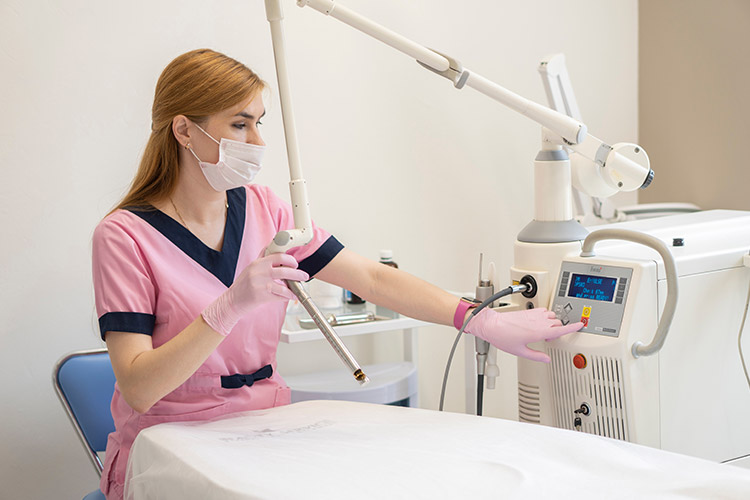
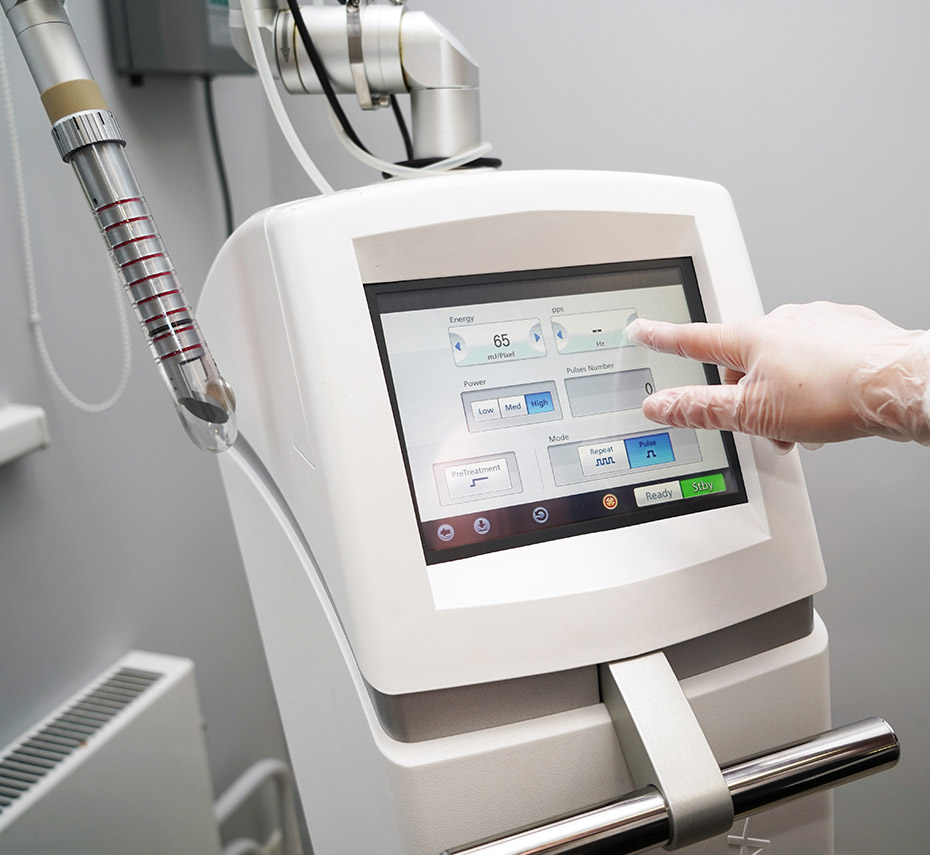
Laser treatments deliver controlled energy to vaginal tissues, stimulating collagen production and tightening. Patients comparing vaginal tightening surgery vs. laser treatments often want to understand whether their concerns require structural repair or can be improved with tissue stimulation.
Radiofrequency Vaginal Tightening
Another option is radiofrequency vaginal tightening, which uses controlled heat energy to stimulate collagen remodeling and tissue tightening.
These treatments are considered non-invasive vaginal rejuvenation options and are often performed in-office.
O-Shot®
The O-Shot® uses growth factors derived from the patient’s own blood to support tissue regeneration and improve vaginal health. This non-surgical treatment may help enhance tissue sensitivity, improve lubrication, and support overall vaginal function through natural growth factor stimulation.
Concerns Non-Surgical Treatments May Address
Non-surgical treatments may help improve:
- Mild to moderate vaginal laxity
- Vaginal dryness
- Reduced tissue elasticity
- Early signs of aging-related changes
However, these treatments do not repair underlying muscle separation, which may require surgical intervention.
Potential Benefits
Compared with surgical procedures, non-invasive vaginal rejuvenation options may offer:
- Minimal downtime
- No incisions
- Short treatment sessions
- Gradual improvements in tissue firmness and elasticity
For some women researching vaginoplasty vs. non-surgical treatments, these procedures offer a more conservative starting point.

Key Differences: Surgical vs. Non-Surgical Vaginal Rejuvenation
These distinctions between surgical and non-surgical vaginal rejuvenation can help patients determine which option may align with their goals.
| Feature | Surgical Vaginal Rejuvenation | Non-Surgical Vaginal Rejuvenation |
| Invasiveness | Involves surgery | Non-invasive or minimally invasive |
| Treatment Approach | Surgical repair or reshaping of tissue | Energy-based treatments (laser or RF) |
| Concerns Addressed | Significant laxity, labial enlargement, and structural changes | Mild to moderate laxity or tissue quality |
| Procedure Duration | Typically longer procedures | Usually short in-office treatments |
| Recovery | Recovery period required | Minimal downtime |
| Longevity | Long-lasting structural changes | Results may require maintenance treatments |
When evaluating surgical vs. non-surgical vaginal rejuvenation, the most appropriate option often depends on anatomy, symptoms, and desired outcomes.
Benefits of Surgical Vaginal Rejuvenation
In some cases, surgical treatment may be recommended when non-invasive options cannot adequately address the concern. Patients researching vaginoplasty vs. non-surgical treatments often find that surgery may be appropriate for:
- More significant vaginal laxity
- Muscle separation following childbirth
- Excess or enlarged labial tissue
- Structural changes affecting comfort or function
Potential advantages of surgical treatment may include more noticeable tightening and longer-lasting structural improvements.
However, surgical vs. non-surgical vaginal rejuvenation decisions should always be made after consultation with a qualified specialist.

Benefits of Non-Surgical Vaginal Rejuvenation
For many women, non-invasive vaginal rejuvenation options offer a convenient way to improve vaginal tissue without surgery.
Patients exploring vaginal tightening surgery vs. laser treatments often prefer non-surgical procedures because they may involve:
- Little to no downtime
- Short treatment sessions
- Gradual improvement in tissue tone
- No surgical incisions
Additionally, treatments such as radiofrequency vaginal tightening may be suitable for women experiencing mild laxity or early signs of aging.
Which Is Better: Surgical or Non-Surgical Vaginal Rejuvenation?
Choosing between surgical vs. non-surgical vaginal rejuvenation depends on several factors, including:
- The severity of vaginal laxity
- Structural changes after childbirth
- Labial anatomy
- Personal goals and preferences
- Medical history
Some women benefit most from surgical procedures such as vaginoplasty or labiaplasty, while others may achieve notable improvement with non-invasive vaginal rejuvenation options.
A consultation with a qualified vaginal rejuvenation specialist in New York City (NYC) can help determine the most appropriate treatment plan.


Why Choose Our NYC Vaginal Rejuvenation Clinic
Choosing a qualified provider is essential when considering intimate procedures. Our New York City vaginal rejuvenation clinic focuses on patient comfort, safety, and individualized care.
Patients choose our clinic because of:
- Specialized experience in vaginal rejuvenation procedures
- Expertise in both surgical and non-surgical treatments
- Personalized treatment planning
- A supportive and confidential environment
- Advanced treatment technologies
We help patients understand surgical and non-surgical vaginal rejuvenation so they can make informed decisions about their goals.

Schedule Your Consultation
If you are researching surgical vs. non-surgical vaginal rejuvenation, speak with an experienced provider so you can better understand your options.
Schedule a confidential consultation at our New York City (NYC) clinic to discuss your concerns and learn which vaginal rejuvenation treatment may be appropriate for your needs.
Surgical vs. Non-Surgical Vaginal Rejuvenation: Frequently Asked Questions
What is the difference between surgical and non-surgical vaginal rejuvenation?
The main difference between surgical and non-surgical vaginal rejuvenation is the treatment method. Surgical procedures reshape or repair tissue, while non-surgical treatments use technologies such as lasers or radiofrequency to stimulate tissue tightening.
Can you tighten the vagina without surgery?
Yes. Some women may benefit from non-invasive vaginal rejuvenation options, such as laser or radiofrequency vaginal tightening, which stimulate collagen production and improve tissue tone without surgery.
How long do the results of non-surgical vaginal rejuvenation last?
Results vary depending on the treatment and individual factors. Many patients experience improvements that may last several months to a few years, though maintenance treatments may be recommended.
What is the downtime for vaginoplasty compared to laser treatments?
Vaginoplasty typically involves a recovery period that may last several weeks, while many non-invasive vaginal rejuvenation options involve minimal downtime and allow patients to resume normal activities quickly.
Can surgical and non-surgical treatments be combined?
In some cases, providers may recommend combining procedures to address different concerns. A personalized consultation can help determine whether combination treatments may be beneficial.