
Table of Contents:
- Introduction
- How Long Do Vaginoplasty Results Typically Last?
- Are Vaginoplasty Results Permanent?
- How Does Aging Affect Vaginoplasty Results?
- How Does Childbirth Affect Vaginoplasty Results?
- Can Pregnancy Affect Results Even Without Vaginal Delivery?
- Other Factors That Can Affect Long-Term Results
- How to Maintain Vaginoplasty Results
- When Might Revision Vaginoplasty Be Considered?
- FAQs on Vaginoplasty Results & Longevity
- References
Vaginoplasty refers to surgical vaginal tightening, not gender-affirming vaginoplasty. The procedure is typically performed to reduce vaginal laxity by narrowing the vaginal canal and reinforcing tissues that have become stretched or separated, often after childbirth. In a vaginoplasty, a surgeon may remove a measured amount of excess vaginal mucosa and bring the deeper fibromuscular tissues closer together.
A perineoplasty may be performed at the same time to repair and reinforce the tissues around the vaginal opening and perineal body.¹ In other words, this is not simply a surface “tightening” of the vagina. It is a structural surgical repair.1
Vaginoplasty surgery does not have a set expiration date. Once tissues have been surgically repaired, they do not simply revert to their previous position after a certain number of years, and healed vaginoplasty results typically reflect that stability. However, surgery also does not indefinitely keep the vagina at the age or condition it was in on the day of the operation. The repaired tissues remain living tissues and continue to respond to pregnancy, vaginal childbirth, hormonal changes, aging, and the normal forces placed on the pelvic floor throughout life. A future change in vaginal tightness therefore does not necessarily mean that the operation has suddenly “worn off.”
There is also an important limitation to what medicine can currently promise. Although published studies describe outcomes after vaginal-tightening surgery, high-quality long-term data extending many years after surgery remain limited, and techniques are not standardized from one surgeon or study to another. A 2025 systematic review found considerable variation in surgical methods and how outcomes were measured, making it difficult to assign vaginoplasty a universal lifespan such as 5, 10, or 20 years.² ACOG has similarly emphasized that high-quality evidence regarding the outcomes of elective female genital cosmetic procedures remains limited.³
For most patients, the important question is not whether the surgery suddenly “wears off,” but how the repaired tissues behave as the body continues to change. The sections that follow look at what is known about the durability of vaginoplasty, the effects of aging, pregnancy and childbirth, and the circumstances in which changes in vaginal support or tightness may become noticeable over time.
How Long Do Vaginoplasty Results Typically Last?
For most patients, vaginoplasty results healed correctly, are not limited to a specific number of years. Unlike nonsurgical treatments that may rely on temporary tissue contraction, surgical vaginal tightening physically reshapes and reinforces the vaginal tissues. Once healing is complete, the repaired tissues maintain the result, not the sutures used during surgery.¹
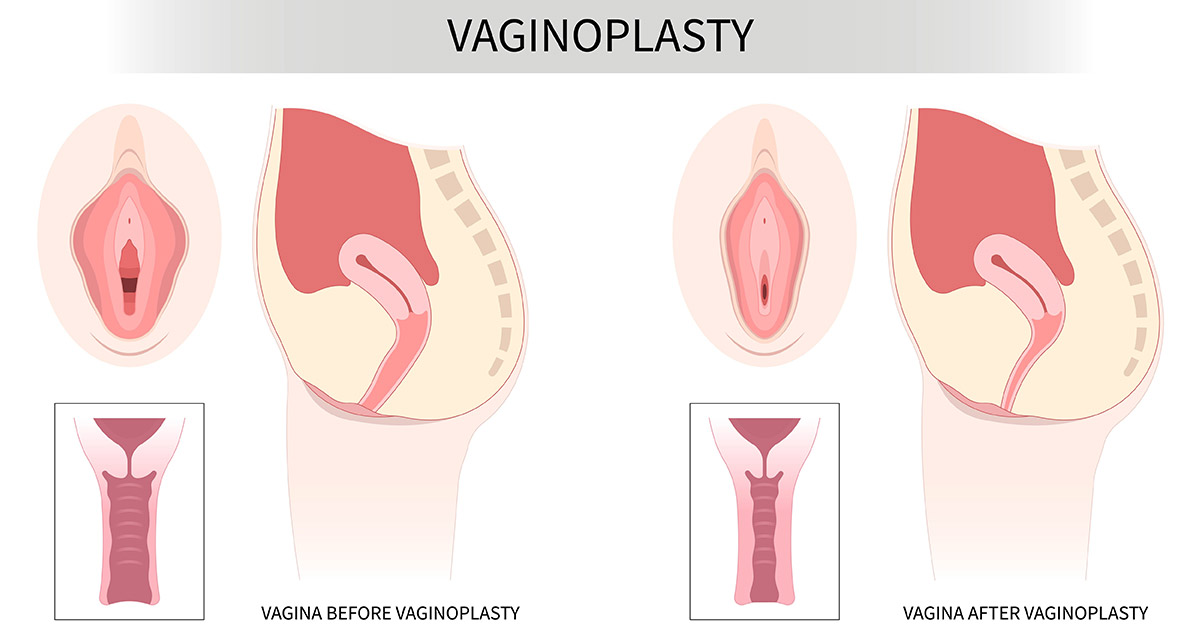
During healing, the body forms collagen between the tissues that have been brought together. Over the following months, this new scar tissue gradually remodels, becoming softer and more flexible while continuing to provide structural support. The internal vaginal scar is usually far less noticeable than a skin scar because much of the repair lies beneath the vaginal lining. When perineoplasty is performed, there may also be a scar at the vaginal opening or perineum. Normal scars mature rather than simply disappear, although excessive scarring or an overly tight repair can occasionally contribute to discomfort or painful intercourse.¹??
The anatomical repair created by vaginoplasty is intended to be long-lasting, but the available research does not support giving it a fixed lifespan. In a 2024 study of 45 women who underwent posterior levatorplasty with perineoplasty, improvements in vaginal laxity and sexual-function measures were still present at 12 months, with 93.3% of patients reporting overall satisfaction at that point.4 In another published series of vaginoplasty with perineoplasty, some patients were followed for as long as about 3.6 years, suggesting that the surgical result can persist well beyond the early recovery period.
However, because the average follow-up was only about 8 months and long-term outcomes were not measured consistently in every patient, the study cannot tell us how durable the results are for most women over several years.¹ This means there is evidence that the effects of surgical tightening can persist well beyond the initial healing period, but not enough evidence to claim that every vaginoplasty will reliably last 5, 10, or 20 years. A recent systematic review also found considerable variation in surgical techniques, definitions of vaginal laxity, and methods used to measure outcomes, making a universal estimate of longevity difficult to establish.²
For a woman who heals well and does not experience major new stresses on the pelvic floor, the tightening achieved by surgery may remain for many years. What changes the result over time is usually not the scar suddenly “wearing out,” but changes in the surrounding tissues, particularly from aging, hormonal changes, pregnancy, and childbirth. These factors become much more important when discussing how long an individual result is likely to last.
Are Vaginoplasty Results Permanent?
Not in the sense that the vagina will remain completely unchanged for life. The surgical repair itself is lasting, but the tissues around it continue to age and respond to future physical and hormonal changes.
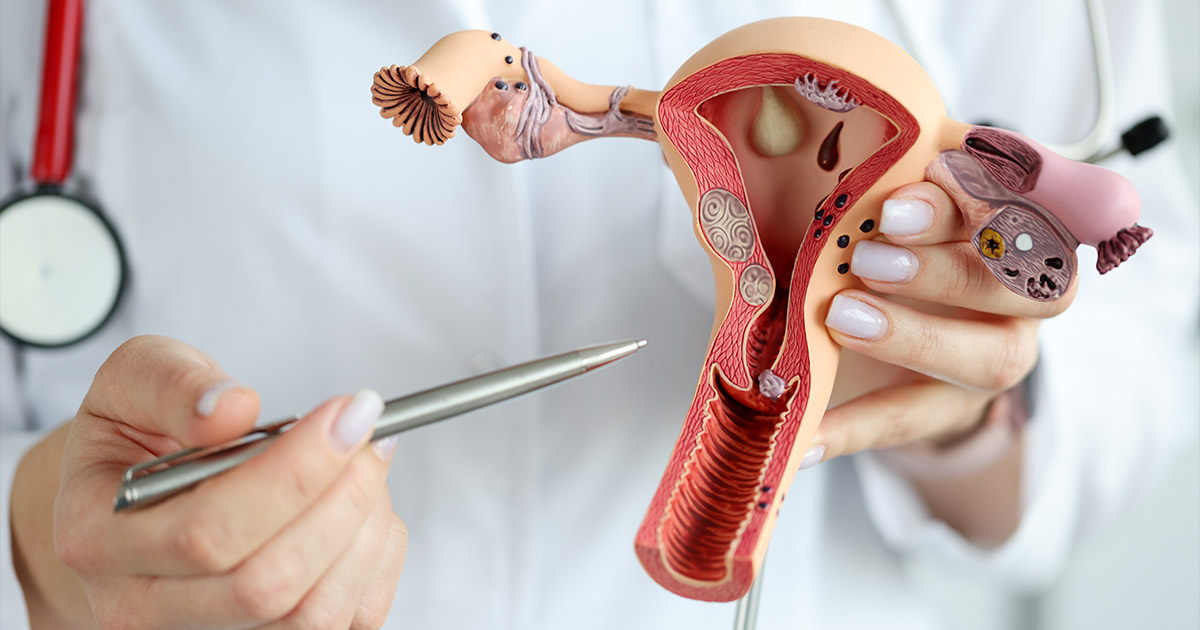
A woman may therefore keep a meaningful degree of tightening for years without the result staying identical to the day she healed from surgery. Changes that occur later are usually related to what happens to the pelvic floor and vaginal tissues after the operation, rather than the surgery simply losing its effect over time.
For that reason, vaginoplasty results are best described as long-lasting rather than permanently fixed. The degree of change over time varies from woman to woman, particularly after pregnancy, vaginal childbirth, menopause, or other events that place new stress on the repaired tissues. 2, 3
How Does Aging Affect Vaginoplasty Results?
Aging does not simply make a vaginoplasty “come undone.” What changes over time is the quality of the vaginal and pelvic-floor tissues that support the repair. Collagen provides strength, while elastin helps the vagina stretch and recoil. With age, these tissues gradually change. A 2025 study found thinning of the vaginal epithelium, reduced collagen in supporting tissues, and age-related changes in collagen composition, with additional decline seen in the muscular layer after age 40.?

Menopause can add another layer of change. Falling estrogen levels can make the vagina thinner, drier, and less elastic, contributing to irritation, reduced lubrication, and painful intercourse.??? At the same time, pelvic-floor muscles also age, with research showing increased fibrosis and fat infiltration and reduced regenerative capacity.? Imaging studies suggest that pelvic support structures, including the genital hiatus, may also change with age.?
Taken together, these changes can affect how firm, supported, or comfortable the vaginoplasty surgery results feel years later. They do not necessarily mean that the original vaginoplasty scar has failed. Rather, the tissues around the repair continue to age, and current evidence does not allow us to predict exactly how much this will alter an individual result over time.
How Does Childbirth Affect Vaginoplasty Results?
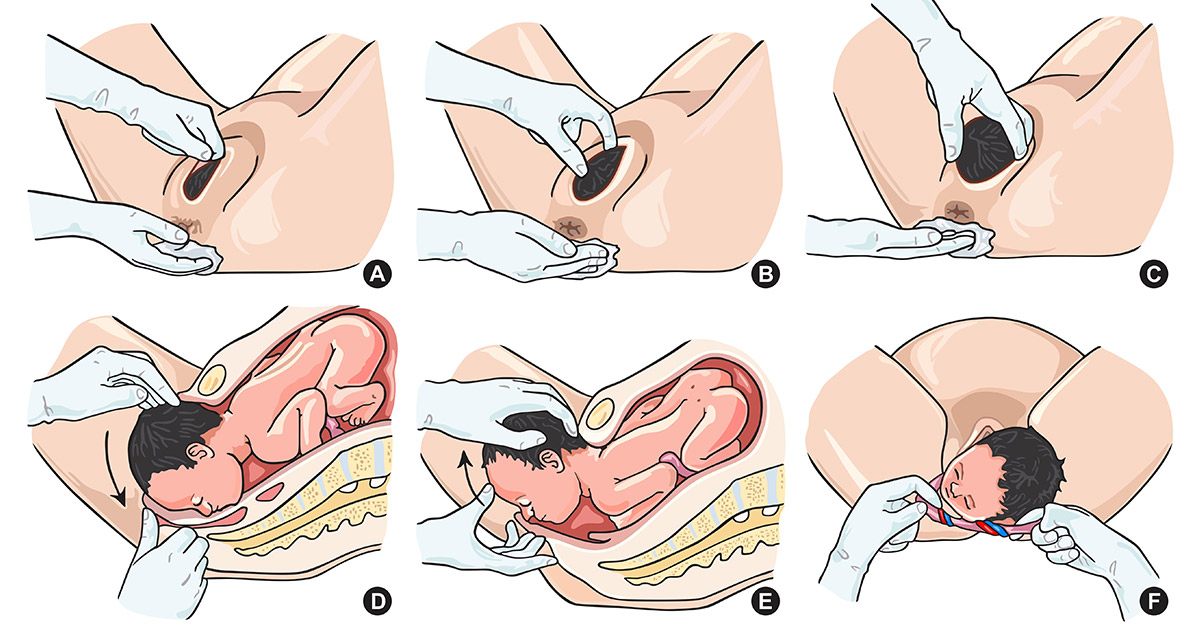
Childbirth can change a previous vaginoplasty because vaginal delivery stretches many of the same tissues that were tightened during surgery, including the vaginal walls, perineum, connective tissues, and pelvic-floor muscles. Some women recover well after delivery, while others are left with persistent stretching or muscle injury that can contribute to renewed laxity.10

The surgical scar itself does not simply disappear during childbirth, but the tissues around it can stretch, and the perineum may sustain new tearing or separation. Vaginal birth can also injure the levator ani muscles, which play an important role in pelvic support and vaginal function.10
Even so, these changes are not always permanent. The pelvic floor can recover considerably in the months after birth. In a 2024 MRI study, the genital and levator hiatus generally became smaller between 7 weeks and 8 months postpartum, although about 30% of women showed impaired recovery at eight months.11 This helps explain why some women regain much of their previous support while others continue to notice laxity or a wider vaginal opening.
There are still no good prospective studies showing exactly how much a previous cosmetic vaginoplasty changes after pregnancy or childbirth. Current evidence tells us how delivery can affect vaginal and pelvic-floor tissues, but not how much of an individual surgical result will be lost. Childbirth may therefore alter the result without necessarily reversing it.
Can Pregnancy Affect Results Even Without Vaginal Delivery?
Yes. Pregnancy itself can change the pelvic floor even when delivery is by cesarean section. As the uterus enlarges, increasing weight and pressure are placed on the pelvic-floor muscles and connective tissues. At the same time, pregnancy-related hormonal changes make these tissues more flexible in preparation for birth. Studies following women through pregnancy have documented measurable changes in vaginal and pelvic-organ support before delivery occurs.12, 13
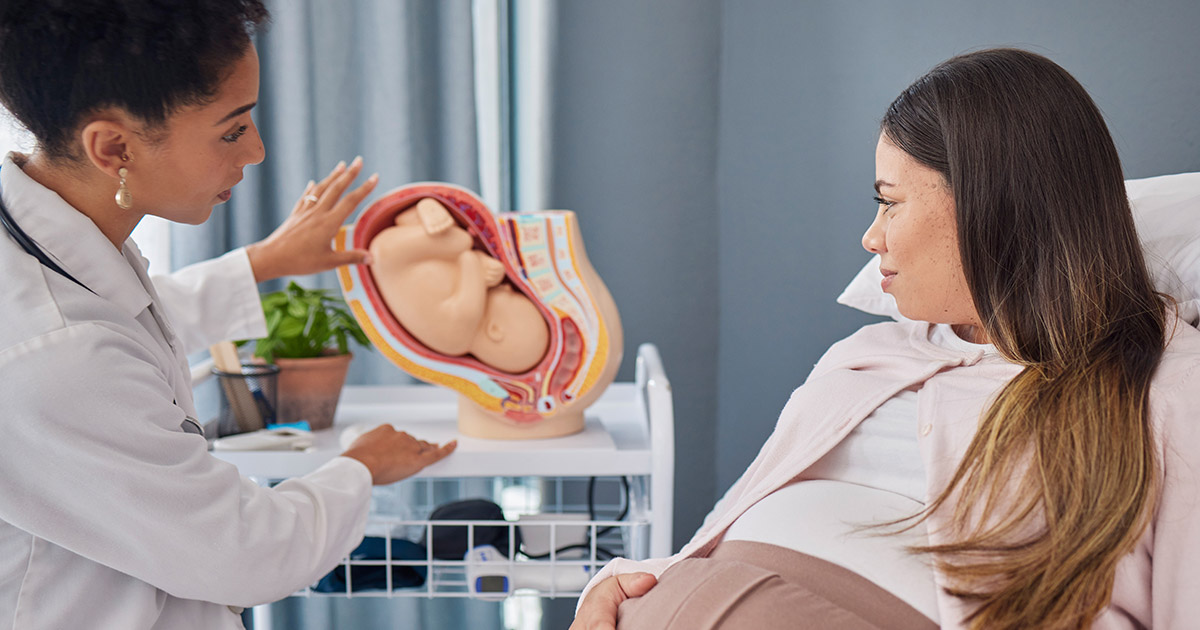
A cesarean delivery therefore does not completely protect a previous vaginoplasty from pregnancy-related change. However, the effect is generally less pronounced than after vaginal delivery, which adds substantial stretching and possible muscle or perineal injury during birth. In a prospective study of 300 first-time mothers, pelvic support changed during pregnancy and postpartum after both cesarean and vaginal delivery, although the postpartum changes were greater after vaginal birth.13
For women with a previous vaginoplasty, this means pregnancy may alter how healed vaginoplasty results feel or are supported even without vaginal birth, but there is currently no good evidence showing exactly how much of the surgical result is affected by pregnancy alone.
Other Factors That Can Affect Long-Term Results
Beyond aging and childbirth, several individual factors may influence how a vaginoplasty result changes over time:
- Major weight changes: Significant weight gain or loss can alter pressure on the pelvic floor and the surrounding soft tissues.
- Genetics and tissue quality: Natural differences in collagen, connective-tissue strength, and tissue elasticity may influence how well vaginal and pelvic-floor tissues maintain support.
- Pelvic-floor health: Chronic coughing, constipation and repeated heavy straining increase pressure on the pelvic floor and may contribute to weakening of pelvic support over time.
- Lifestyle and general health: Smoking can adversely affect connective tissue and wound healing, while regular physical activity and appropriate pelvic-floor care may help maintain overall pelvic health.
These factors do not necessarily reverse a vaginoplasty, but they can influence vaginoplasty final results by shaping how the surrounding tissues age and support the original repair.
How to Maintain Vaginoplasty Results
No proven maintenance regimen can guarantee a vaginoplasty result indefinitely. Once healing is complete, the focus shifts from the surgical scar itself to maintaining the health and function of the pelvic floor around it.
- Use pelvic-floor exercises to support the repair: Regular pelvic-floor muscle exercises can help maintain the strength and function of the muscles that support the vagina and perineum. While they cannot prevent all age- or childbirth-related changes, they may help preserve pelvic support and reduce the sense of laxity over time. Consistency matters more than intensity, and the aim is to keep the pelvic floor responsive and well supported rather than simply “tighter.” Over time, good pelvic-floor function may also help support continence, sexual comfort, and the overall stability of the tissues around the repair.
- Reduce chronic downward pressure: Persistent constipation, chronic cough, and obesity are associated with greater risk of pelvic-floor support problems. Treating these issues is therefore more meaningful than trying to “protect” the repair with special products or restrictions.
- Treat menopausal vaginal changes separately: Dryness, reduced elasticity, or painful intercourse after menopause may reflect genitourinary syndrome of menopause rather than loss of the surgical result. Appropriate treatment can improve tissue comfort and function.
- Have new symptoms assessed: Recurrent laxity, a widening vaginal opening, persistent pain, prolapse symptoms, or a significant change after childbirth should be examined rather than assumed to mean that the vaginoplasty has failed.
The practical goal is therefore not to preserve vaginoplasty end results in a fixed postoperative state, but to minimize avoidable strain and address pelvic-floor or hormonal problems when they arise.
When Might Revision Vaginoplasty Be Considered?
Revision vaginoplasty may be considered when a woman develops a persistent anatomical or functional problem even after her vaginoplasty results have fully healed. This may include recurrent vaginal laxity, a widened vaginal opening after childbirth, excessive narrowing, painful scar tissue, persistent dyspareunia, or a noticeable change in the repair that is affecting comfort or sexual function.
Before recommending another operation, the surgeon should first determine what is actually causing the symptoms. For example, painful penetration may be related to scar restriction or pelvic-floor muscle overactivity rather than recurrent laxity. ACOG also recognizes scarring, painful intercourse, altered sensation, and the possible need for further surgery as potential outcomes after female genital cosmetic procedures.³
If revision is needed, it should correct the specific problem identified on examination rather than simply making the vagina tighter again.
FAQs on Vaginoplasty Results & Longevity
Can regular sex make the vagina loose again after vaginoplasty?
Normal sexual intercourse after complete recovery is not expected to undo vaginoplasty results after healing. Vaginal tissue is designed to stretch and recoil during intercourse. A noticeable change years later is more likely to reflect changes in pelvic-floor support, childbirth, aging, or other tissue factors than simply the frequency of sex.
Can a larger partner stretch out vaginoplasty results?
There is no good evidence that penis size permanently reverses a healed vaginoplasty. Intercourse may temporarily stretch the vaginal tissues, but a mature repair should accommodate normal penetration. Persistent pain or a feeling that penetration is excessively tight deserves assessment rather than repeated attempts to «stretch» the vagina.
Will having Pap smears or pelvic examinations affect the result?
No. Once healing is complete, routine gynecologic examinations, speculum examinations, cervical screening, and other necessary vaginal assessments should not damage or loosen the repair. Your gynecologist should simply be told about the previous surgery, particularly if the vaginal opening remains relatively narrow.
Can I still use tampons after vaginoplasty?
Usually yes, once the surgeon has confirmed complete healing. Tampons do not normally affect the long-term structural result. If insertion remains painful or unusually difficult after recovery, however, this may indicate excessive narrowing, scar sensitivity, or pelvic-floor muscle tension and should be assessed.
Does vaginoplasty prevent pelvic organ prolapse later in life?
No. Cosmetic vaginal tightening and prolapse surgery are not the same operation. A vaginoplasty may narrow or reinforce selected vaginal and perineal tissues, but it does not guarantee protection against future prolapse of the bladder, uterus, rectum, or vaginal walls. Pelvic organ prolapse has multiple risk factors, including childbirth, age, connective-tissue characteristics, and chronic increases in abdominal pressure.
If the vagina feels different years later, does that mean the vaginoplasty has failed?
Not necessarily. Changes in lubrication, pelvic-floor muscle tone, menopause, scar sensitivity, or pelvic support can all change how the vagina feels without meaning your vaginoplasty before and after results were compromised structurally. An examination is often more useful than judging the result from the sensation of «tightness» alone.
Considering Vaginoplasty? Schedule a Consultation
Labiaplasty NYC offers vaginoplasty and perineoplasty for women seeking improved vaginal support and comfort, with care tailored to your anatomy and goals. Our team can help you understand what to expect from healing through long-term results. Contact us today to schedule a free, private consultation at one of our Manhattan, Great Neck, or Somerset locations.
References
- Austin RE, Lista F, Vastis PG, Ahmad J. Posterior vaginoplasty with perineoplasty: a Canadian experience with vaginal tightening surgery. Aesthetic Surgery Journal Open Forum. 2019;1(4):ojz030. doi:10.1093/asjof/ojz030. PMID: 33791620.
- Alavi-Arjas F, Goodman MP, Simbar M, Alavi Majd H, Nahidi F, Rastegar F. The effect of vaginal tightening surgery on sexual function: a systematic review. International Urogynecology Journal. 2025;36(1):11-24. doi:10.1007/s00192-024-05969-z. PMID: 39509059.
- American College of Obstetricians and Gynecologists. Elective Female Genital Cosmetic Surgery. ACOG Committee Opinion No. 795. Obstetrics & Gynecology. 2020;135(1):e36-e42.
- Wang K, et al. Transvaginal posterior levatorplasty combined with perineoplasty: an effective surgical method for vaginal rejuvenation. Plastic and Reconstructive Surgery. 2024;154(5):874e-884e
- Xiao Z, Zhou L, Wu J, et al. Age-Associated Collagen Remodeling in Vaginal Tissue: A Histomorphometric Analysis. Aesthetic Surgery Journal. 2025;45(12):1263-1270. doi:10.1093/asj/sjaf157. PMID: 40755233.
- Gimenez C, Alperin M, De Vita R. The Effect of Menopause on Vaginal Tissue Mechanics: A Brief Review. Journal of Biomechanical Engineering.
- Kaufman MR, Ackerman AL, Amin KA, et al. The AUA/SUFU/AUGS Guideline on Genitourinary Syndrome of Menopause. Journal of Urology. 2025;214(3):242-250. doi:10.1097/JU.0000000000004589. PMID: 40298120.
- Rieger M, Duran P, Cook M, et al. Quantifying the Effects of Aging on Morphological and Cellular Properties of Human Female Pelvic Floor Muscles. Annals of Biomedical Engineering. 2021;49(8):1836-1847. doi:10.1007/s10439-021-02748-5. PMID: 33683527.
- Thibault MD, Chen L, Huebner M, DeLancey JO, Swenson CW. A comparison of MRI-based pelvic floor support measures between young and old women with prolapse. International Urogynecology Journal. 2023;34(9):2081-2088. doi:10.1007/s00192-023-05505-5. PMID: 36971829.
- Pessoa P, Carvalho A, Mota P. Prevalence of levator ani muscle injuries in primiparous women after delivery and their influence on pelvic floor disorders: systematic review. Neurourology and Urodynamics. 2024;43(8):1962-1969. doi:10.1002/nau.25529. PMID: 38948963.
- Schmidt P, Swenson CW, DeLancey JO, Chen L. Postpartum changes in levator plate shape and genital hiatus size after vaginal delivery. International Urogynecology Journal. 2024;35(7):1413-1420. doi:10.1007/s00192-024-05813-4. PMID: 38811410.
- Reimers C, Staer-Jensen J, Siafarikas F, et al. Change in pelvic organ support during pregnancy and the first year postpartum: a longitudinal study. BJOG. 2016;123(5):821-829. doi:10.1111/1471-0528.13432. PMID: 26113145.
- O’Boyle AL, O’Boyle JD, Calhoun B, Davis GD. Pelvic organ support in pregnancy and postpartum. International Urogynecology Journal. 2005;16(1):69-72. doi:10.1007/s00192-004-1210-4. PMID: 15647966